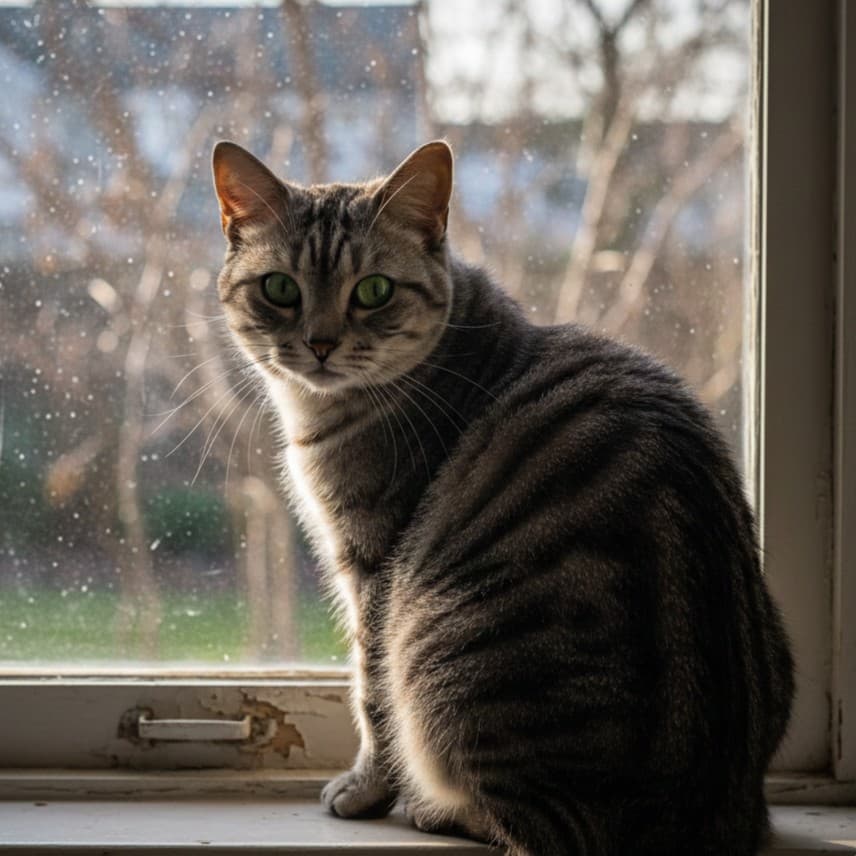
Lykoi
The Lykoi, known as the 'werewolf cat,' is a striking natural mutation breed discovered in 2010. Named after the Greek word for wolf (lykos), these cats have a distinctive partial hairlessness with a unique roan coat pattern that creates their signature werewolf appearance. Despite their wild looks, Lykoi are affectionate, playful, and loyal companions with dog-like personalities. Their combination of exotic appearance and devoted temperament has made them one of the most talked-about breeds in the cat fancy world. Lykoi bring an element of the extraordinary to everyday life, captivating everyone who meets them while forming deeply affectionate bonds with their families.
Key Stats
Weight
4-12 lbs
Height
7-10"
Lifespan
12-15 yrs
Energy
4/5
Is This Breed Right For You?
Origin & History
The Lykoi originated from a natural mutation discovered in 2010 when breeder Patti Thomas in Virginia found unusual kittens in a feral colony. Dermatologists and cardiologists confirmed the cats were healthy, and the unique coat pattern was caused by a natural genetic mutation affecting hair follicles. Johnny Gobble, a veterinarian in Tennessee, worked with Thomas to establish the breed through careful outcrossing with domestic shorthairs.
DNA testing proved the mutation was unique and completely unrelated to other hairless or rex breeds such as the Sphynx or Devon Rex. The mutation affects the hair follicle cycle, causing some follicles to lack the components needed to produce hair while others produce a mix of amelanistic and pigmented hairs, creating the distinctive roan pattern. Gobble's veterinary background ensured that health testing was central to the breeding program from the beginning.
TICA granted Championship status in 2017, making the Lykoi one of the newest recognized breeds. The breed continues to be developed with careful health monitoring and strategic outcrossing to maintain genetic diversity. Breeders worldwide are committed to expanding the gene pool while preserving the unique coat characteristics that define this remarkable breed.
Traits & Characteristics
Individual cats may vary from breed-typical traits
Family & Social
Personality
Cattitude
Adaptability
Health & Wellness
Key health information for Lykoi owners
Health Screening
- Hip & Elbow Evaluation
- Cardiac Exam
- Eye Certification
Exercise Needs
- 30+ minutes daily
- Mental stimulation important
- High energy breed
Watch For
- Hypertrophic Cardiomyopathy (HCM)
- Seasonal Coat Molting
- Sun Sensitivity
- Skin Allergies (Atopic Dermatitis)
Care Guide
Everything you need to know about caring for a Lykoi
Grooming
weekly
Exercise
30+ min/day
Training
Very Easy
Health
Generally Good
Training Your Lykoi
Training Approach
Use positive reinforcement with treats, praise, and play. Lykoi are food-motivated and bond-oriented, making clicker training highly effective. Keep sessions short and varied to maintain their interest. Their high intelligence means they learn quickly but can become bored with repetition.
Training Tips
- Teach fetch - they naturally retrieve
- Use puzzle feeders for mental stimulation
- Harness and leash training works well
- Channel their prey drive into play
- Interactive toys engage their hunting instincts
Common Challenges
- Strong prey drive may distract during training
- Can become bored with repetitive exercises
- May use intelligence to open cabinets/doors
- Needs regular mental challenges
Is a Lykoi Right For You?
Great Match If...
- You have children or a family
- You want an easy-to-train cat
- You're active and outdoorsy
- You want a loyal companion
Think Twice If...
- You want a low-energy cat
- You're away from home often
Frequently Asked Questions
Lykoi cats make excellent family pets for the right household. They are affectionate, loyal, and bond strongly with their families, creating deep connections with each member rather than attaching to just one person. Their playful, dog-like personality appeals to children who enjoy interactive pets and active games like fetch, and they can keep up with the energy of school-age kids.
However, their strong hunting instincts are significant and should not be underestimated. Families with small pets like hamsters, birds, guinea pigs, or fish should exercise caution and ensure secure, separated housing for smaller animals. The Lykoi's prey drive is among the highest of domestic cat breeds and they take their hunting seriously even during play.
They do best with families who can provide plenty of daily attention, at least 30 minutes of interactive play, and a warm indoor environment suited to their unique sparse coat. Their specialized skin care needs, including weekly skin wiping and monitoring for dryness, require slightly more grooming attention than typical cats. Families should also be prepared for the occasional complete coat molt, which is normal but can be surprising for first-time Lykoi owners.