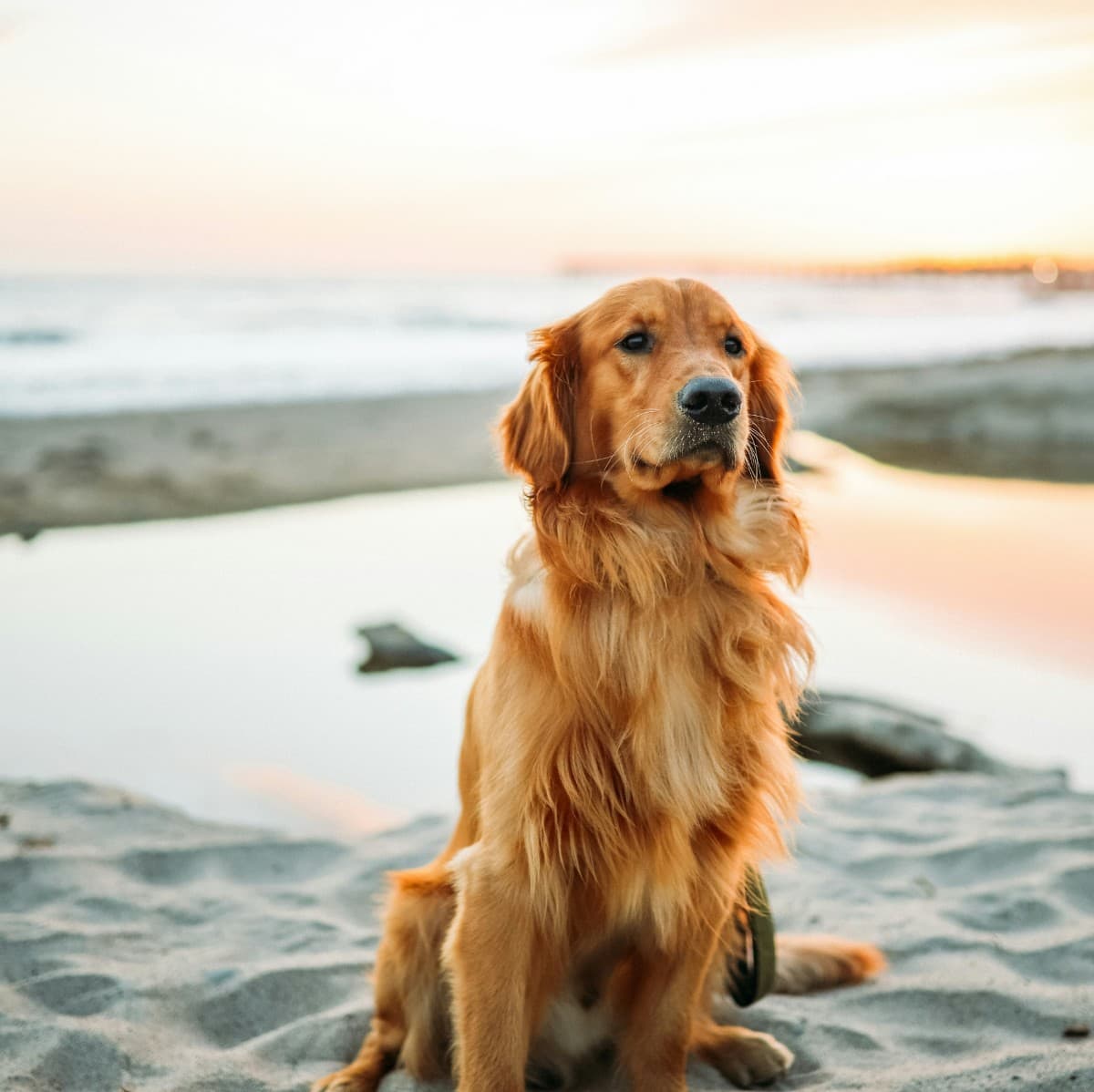
Chesapeake Bay Retriever
The Chesapeake Bay Retriever is America's retriever, developed in the Chesapeake Bay area for hunting waterfowl in harsh conditions. Tougher and more protective than other retrievers, the Chessie is known for its distinctive wavy, oily coat and intense work ethic. They are loyal family dogs for experienced owners.
Key Stats
Weight
55-80 lbs
Height
21-26"
Lifespan
10-13 yrs
Energy
4/5
Is This Breed Right For You?
Origin & History
The breed originated from two Newfoundland-type dogs rescued from a shipwreck off Maryland in 1807. These dogs were bred with local retrievers, creating a tough, cold-water retriever suited to the harsh Chesapeake Bay. Market hunters prized them for their ability to retrieve hundreds of ducks in icy waters. The AKC recognized them in 1878.
Traits & Characteristics
Individual dogs may vary from breed-typical traits
Family & Social
Personality
Physical Traits
Adaptability
Health & Wellness
Key health information for Chesapeake Bay Retriever owners
Health Screening
- Hip & Elbow Evaluation
- Cardiac Exam
- Eye Certification
Exercise Needs
- 60+ minutes daily
- Mental stimulation important
- High energy breed
Watch For
- Hip Dysplasia
- Progressive Retinal Atrophy (PRA)
- Bloat (Gastric Dilatation-Volvulus)
- Elbow Dysplasia
Care Guide
Everything you need to know about caring for a Chesapeake Bay Retriever
Grooming
weekly
Exercise
60+ min/day
Training
Very Easy
Health
Generally Good
Training Your Chesapeake Bay Retriever
Training Approach
Use positive reinforcement with firm, consistent handling. Establish yourself as leader early. They respond to fair treatment but may resist harsh methods. Socialization is critical.
Training Tips
- Start training early while they're manageable
- Use positive reinforcement consistently
- Be firm but fair - they need respected leadership
- Extensive socialization is essential
- Channel their drive through hunting or field work
Common Challenges
- More independent than other retrievers
- Can be dominant if not properly trained
- May be protective and territorial
- Need experienced handlers
Is a Chesapeake Bay Retriever Right For You?
Great Match If...
- You have children or a family
- You want an easy-to-train dog
- You're active and outdoorsy
- You want a loyal companion
Think Twice If...
- You live in a small space
- You want a low-energy dog
Frequently Asked Questions
Chesapeakes can be excellent family dogs for experienced owners. They are loyal and protective of their families. They do well with children they're raised with. However, they are more independent and protective than Labs or Goldens, requiring firm training and socialization. They are best for families who understand working breeds.