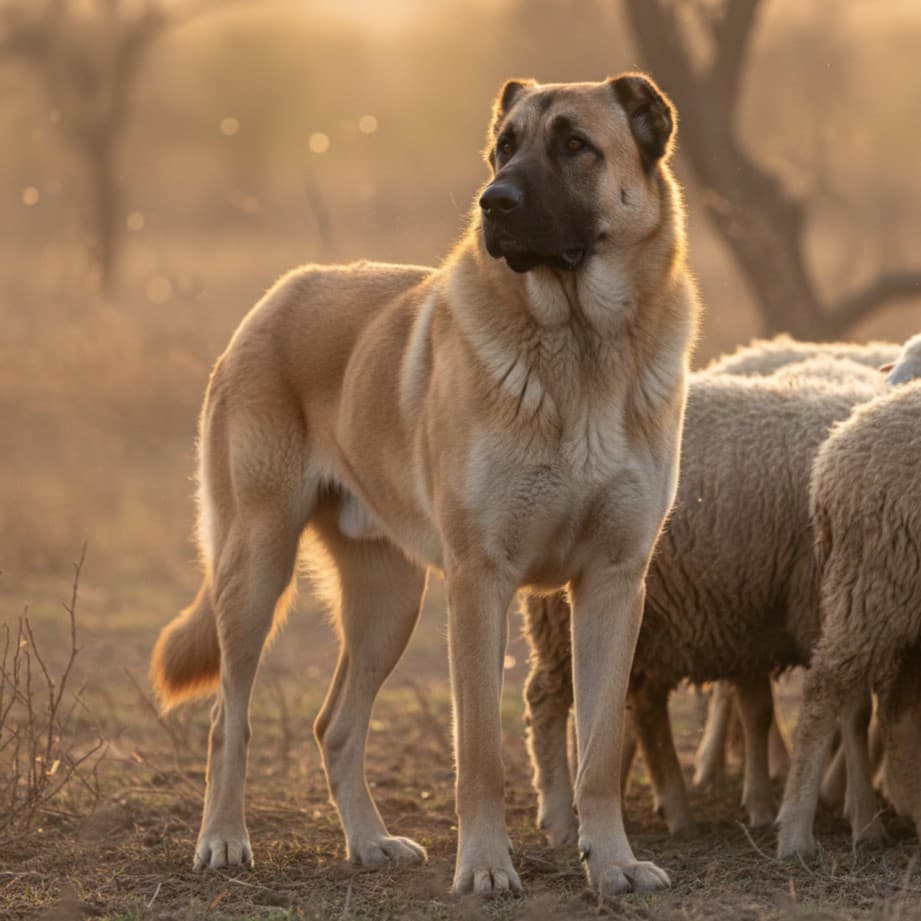
Great Pyrenees
The Great Pyrenees is a majestic livestock guardian dog known for their calm demeanor, protective instincts, and independent nature. They are gentle with their family but naturally suspicious of strangers. Their independent thinking and nocturnal barking require understanding owners.
Key Stats
Weight
85-160 lbs
Height
25-32"
Lifespan
10-12 yrs
Energy
2/5
Is This Breed Right For You?
Origin & History
Great Pyrenees have guarded sheep in the Pyrenees Mountains between France and Spain for thousands of years. They were valued by French nobility as estate guardians. They nearly went extinct but were revived in the 20th century. The AKC recognized them in 1933. They are still used as livestock guardians today.
Traits & Characteristics
Individual dogs may vary from breed-typical traits
Family & Social
Personality
Physical Traits
Adaptability
Health & Wellness
Key health information for Great Pyrenees owners
Health Screening
- Hip & Elbow Evaluation
- Cardiac Exam
- Eye Certification
Exercise Needs
- 45+ minutes daily
- Mental stimulation important
- Moderate activity
Watch For
- Hip Dysplasia
- Luxating Patella
- Bloat (Gastric Dilatation-Volvulus)
- Osteosarcoma (Bone Cancer)
Care Guide
Everything you need to know about caring for a Great Pyrenees
Grooming
2x weekly
Exercise
45+ min/day
Training
Moderate
Health
Generally Good
Training Your Great Pyrenees
Training Approach
Accept their independent nature. Use positive reinforcement. Be patient and consistent. Don't expect instant obedience. They respond to respect, not force.
Training Tips
- Accept their independence
- Be patient and consistent
- Use positive reinforcement
- Set realistic expectations
- Secure fencing is essential - they will roam
Common Challenges
- Very independent - not eager to please
- Bred to make decisions without humans
- May ignore commands they deem unnecessary
- Will bark, especially at night
- Prone to wandering if not contained
Is a Great Pyrenees Right For You?
Great Match If...
- You have children or a family
- You have other dogs
- You want a loyal companion
Think Twice If...
- You can't handle lots of fur
- You live in a small space
Frequently Asked Questions
Great Pyrenees are bred to bark as their primary guardian function. They bark to warn predators and alert owners to perceived threats. This is especially common at night. It's a breed trait, not a behavioral problem to be 'fixed.'