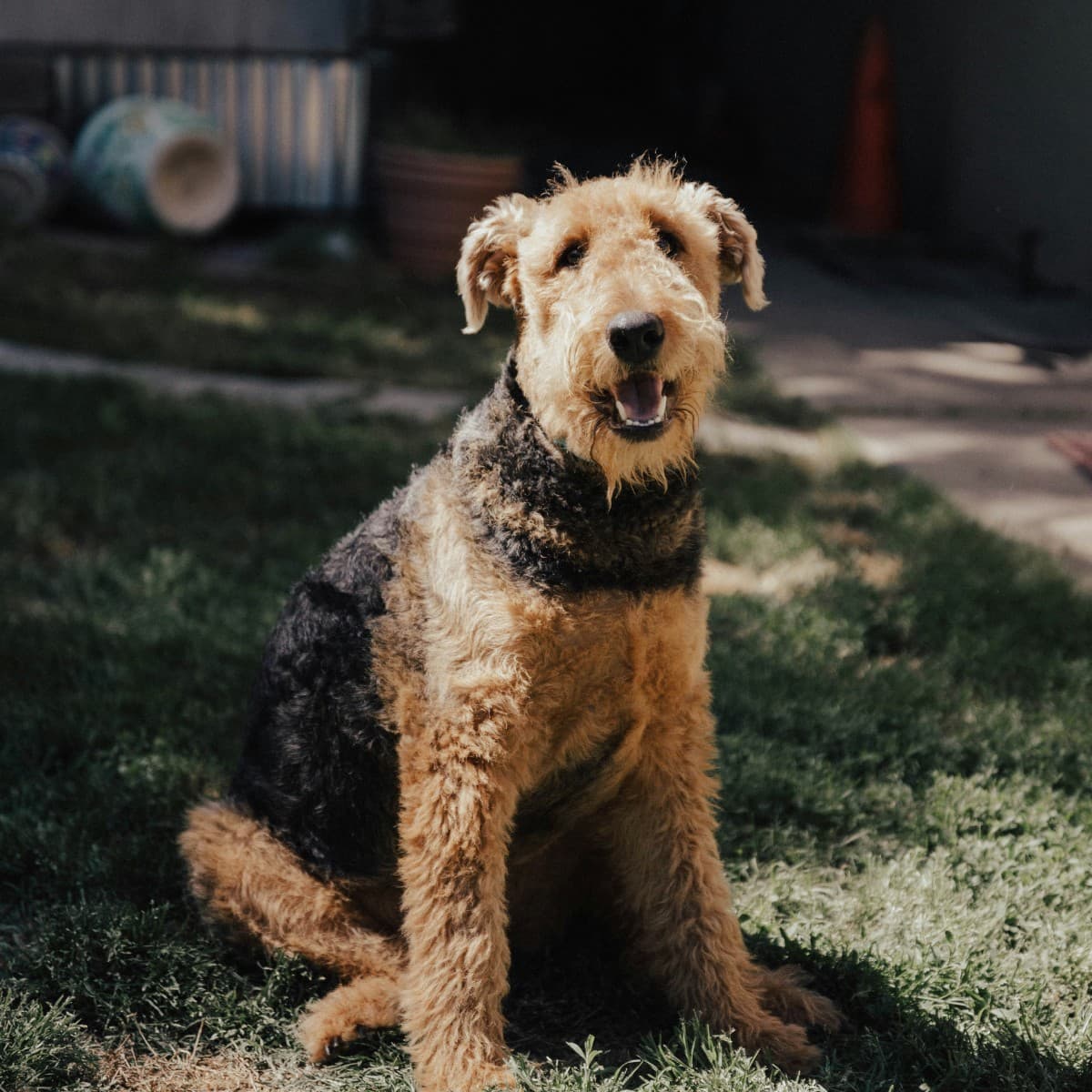
Irish Terrier
The Irish Terrier is called the 'Daredevil' of the terrier world. A fiery, courageous dog with a heart of gold, they are devoted family dogs and fearless protectors. They are one of the oldest terrier breeds and the raciest in outline.
Key Stats
Weight
25-27 lbs
Height
18-18"
Lifespan
13-15 yrs
Energy
4/5
Is This Breed Right For You?
Origin & History
Irish Terriers are one of the oldest terrier breeds, developed in Ireland for hunting vermin and guarding. They served as messenger dogs and sentinels in World War I. The AKC recognized them in 1885. They are known for their courage and loyalty.
Traits & Characteristics
Individual dogs may vary from breed-typical traits
Family & Social
Personality
Physical Traits
Adaptability
Health & Wellness
Key health information for Irish Terrier owners
Health Screening
- Hip & Elbow Evaluation
- Cardiac Exam
- Eye Certification
Exercise Needs
- 60+ minutes daily
- Mental stimulation important
- High energy breed
Watch For
- Hip Dysplasia
- Digital Hyperkeratosis (Corny Feet)
- Cystinuria
Care Guide
Everything you need to know about caring for a Irish Terrier
Grooming
weekly
Exercise
60+ min/day
Training
Moderate
Health
Generally Good
Training Your Irish Terrier
Training Approach
Use positive reinforcement with confidence. Be firm but fair. They respect confident handlers. Keep training interesting - they bore with repetition. Socialization with other dogs is important.
Training Tips
- Use confident, consistent methods
- Positive reinforcement works best
- Keep training interesting
- Early socialization important
- May need same-sex dog aggression management
Common Challenges
- Typical terrier stubbornness
- May be dog-aggressive, especially same sex
- Strong prey drive
- Independent thinker
Is a Irish Terrier Right For You?
Great Match If...
- You have children or a family
- You're active and outdoorsy
- You want a loyal companion
Think Twice If...
- You want a low-energy dog
Frequently Asked Questions
Irish Terriers can be dog-aggressive, especially with same-sex dogs. Early socialization helps but some never fully accept other dogs. They do best as only dogs or with opposite-sex companions.