American Wirehair
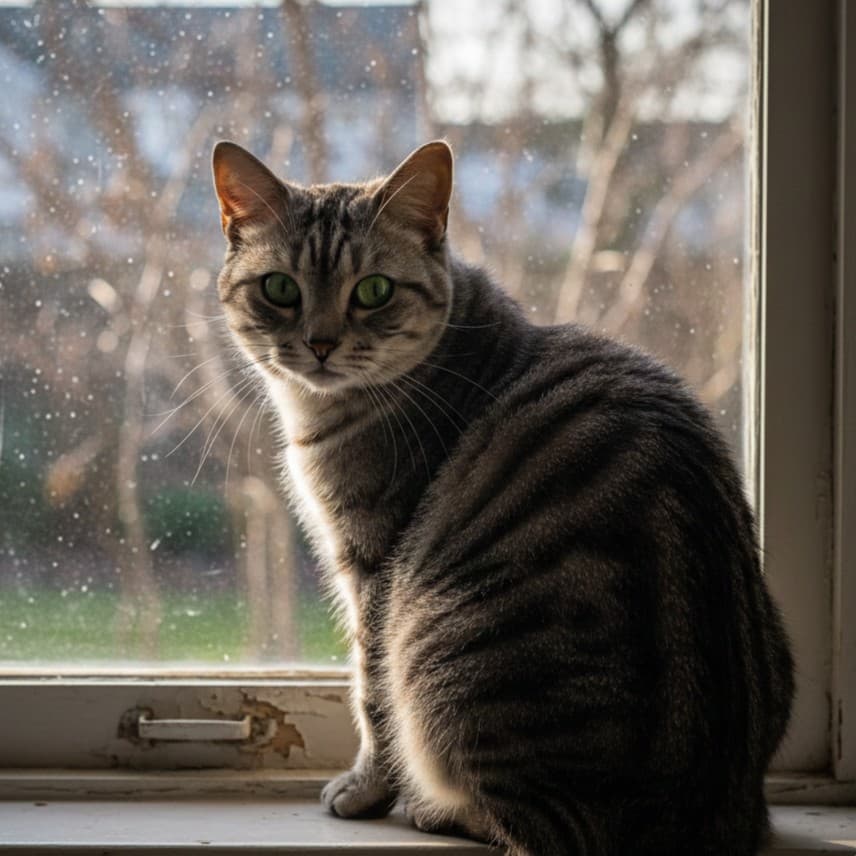
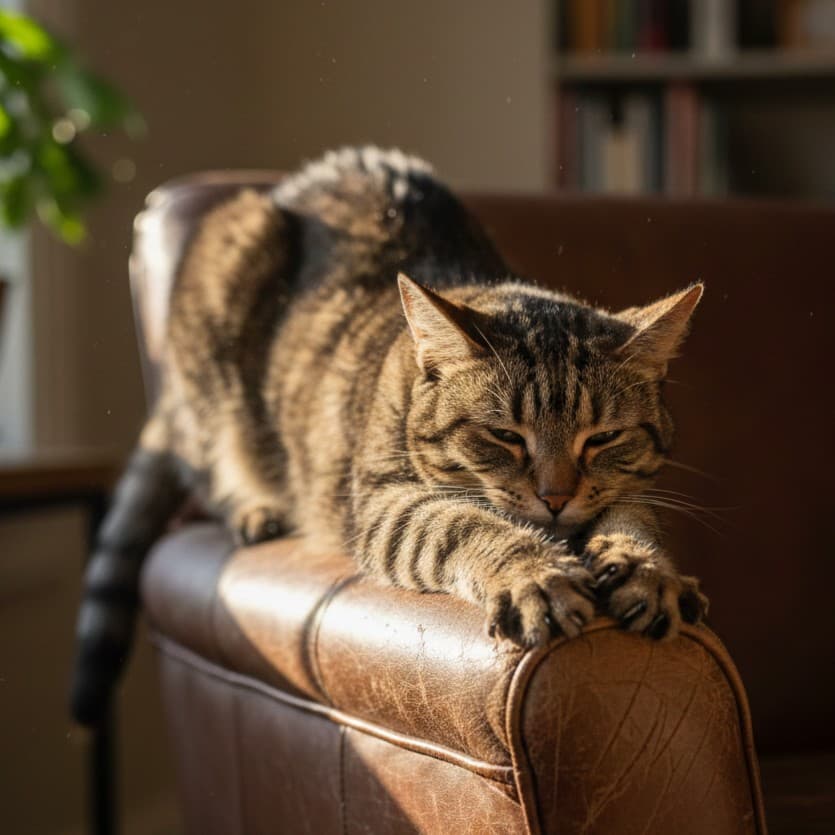
The American Wirehair is a rare, uniquely American breed characterized by its distinctive wiry, crimped coat that feels springy and dense to the touch, unlike any other cat in the world. Originating from a single spontaneous genetic mutation discovered in a barn cat litter in upstate New York in 1966, this breed is essentially an American Shorthair with an extraordinary coat texture that has never been replicated naturally in any other country. Despite their unusual appearance, American Wirehairs have the same gentle, easygoing personality that makes American Shorthairs such beloved companions. They are affectionate, deeply adaptable, and remarkably easy to live with, making them excellent family cats and wonderful companions for first-time owners, seniors, and families with children. Their extreme rarity adds to their mystique and appeal, as they consistently rank among the least common CFA-registered breeds. For those fortunate enough to find one, the American Wirehair offers a truly unique combination of striking appearance, robust health, and endlessly sweet temperament.
Key Stats
Weight
6-14 lbs
Height
9-12"
Lifespan
14-18 yrs
Energy
3/5
Is This Breed Right For You?
Origin & History
The American Wirehair has one of the most precisely documented origins in the cat fancy, tracing back to a single kitten born in a barn cat litter in Vernon, New York, in 1966. The kitten, a red and white male, stood out from his littermates with a coat of completely different texture, where each hair was crimped, hooked, or bent, creating a springy, wiry feel unlike any other cat.
Local cat breeder Joan O'Shea recognized the uniqueness of this kitten and purchased him for fifty dollars, naming him Council Rock Farm Adam of Hi-Fi, or simply Adam. She sent hair samples to British geneticist A. G. Searle, who confirmed that Adam's coat was a spontaneous dominant mutation entirely different from the Rex gene mutations that produce curly coats in breeds like the Cornish Rex and Devon Rex.
O'Shea began a careful breeding program, mating Adam with domestic shorthair and American Shorthair females to establish the breed. The dominant nature of the wire-hair gene meant that roughly half of each litter displayed the distinctive coat. CFA accepted the breed for registration in 1967, just one year after Adam's birth, and granted championship status in 1978.
Remarkably, this mutation has never been documented to occur naturally in any other country, despite decades of cat breeding worldwide. This makes the American Wirehair truly and exclusively American, a genetic treasure unique to the United States. The wire-hair gene is distinct from all other coat mutations, including the various Rex genes that produce wavy or curly coats. It creates a completely different hair structure that is crimped and springy rather than wavy.
Despite decades of careful breeding, the American Wirehair remains one of the rarest cat breeds in the world, with very few dedicated breeders maintaining the line. The small breeding population means American Wirehairs are regularly outcrossed with American Shorthairs to maintain genetic health and diversity. Every American Wirehair alive today traces its lineage back to Adam, that single extraordinary kitten from a barn in upstate New York, making the breed's entire history traceable to one remarkable genetic event.
Traits & Characteristics
Individual cats may vary from breed-typical traits
Family & Social
Personality
Cattitude
Adaptability
Health & Wellness
Key health information for American Wirehair owners
Health Screening
- Hip & Elbow Evaluation
- Cardiac Exam
- Eye Certification
Exercise Needs
- 20+ minutes daily
- Mental stimulation important
- Moderate activity
Watch For
- Hypertrophic Cardiomyopathy (HCM)
- Obesity
- Skin Allergies (Atopic Dermatitis)
Care Guide
Everything you need to know about caring for a American Wirehair
Grooming
weekly
Exercise
20+ min/day
Training
Moderate
Health
Generally Good
Training Your American Wirehair
Training Approach
Use positive reinforcement with treats and play. Keep sessions short and varied. Their easygoing nature makes training pleasant.
Training Tips
- Food rewards work well
- Can learn to play fetch
- Interactive toys keep them engaged
- Respond well to consistent routines
Common Challenges
- May prefer lap time to training
- Can be prone to weight gain - use low-calorie treats
- Not as driven as more active breeds
Is a American Wirehair Right For You?
Great Match If...
- You have children or a family
- You're active and outdoorsy
- You want a loyal companion
Think Twice If...
Frequently Asked Questions
The American Wirehair has a coat unlike any other cat breed in the world. Each hair is crimped, hooked, or bent at the molecular level, creating a springy, dense texture that feels distinctly different from any other cat you will ever touch. Even their whiskers are often crimped or curled, adding to their unmistakable appearance and making identification straightforward even for novices.
This extraordinary coat is caused by a spontaneous dominant genetic mutation first documented in 1966 in a barn cat litter in Vernon, New York. British geneticist A. G. Searle confirmed that this mutation is completely different from the Rex gene mutations found in breeds like the Cornish Rex and Devon Rex, which produce wavy or curly coats. The Wirehair gene creates an entirely different hair structure that is crimped and springy rather than wavy.
The texture varies among individuals, ranging from soft and woolly to coarse and sparse, with the most desirable show coats displaying tight, uniform crimping throughout the head, back, sides, and hips. Remarkably, this mutation has never been documented to occur naturally in any other country despite decades of global cat breeding, making it a uniquely American genetic phenomenon.