Bengal
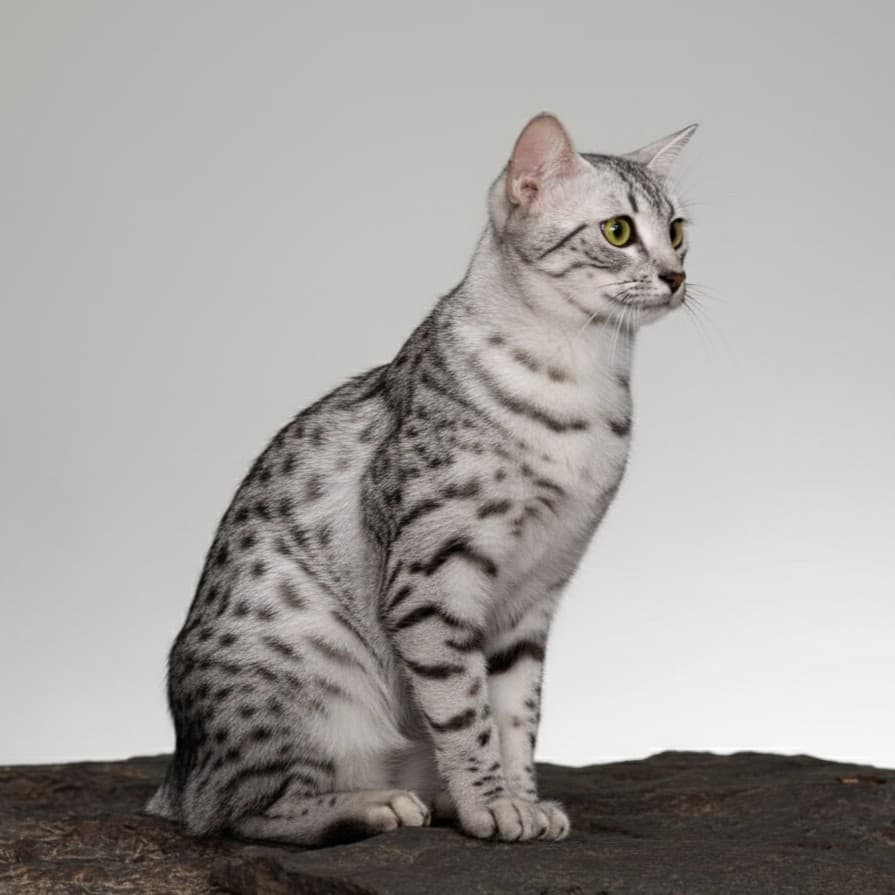
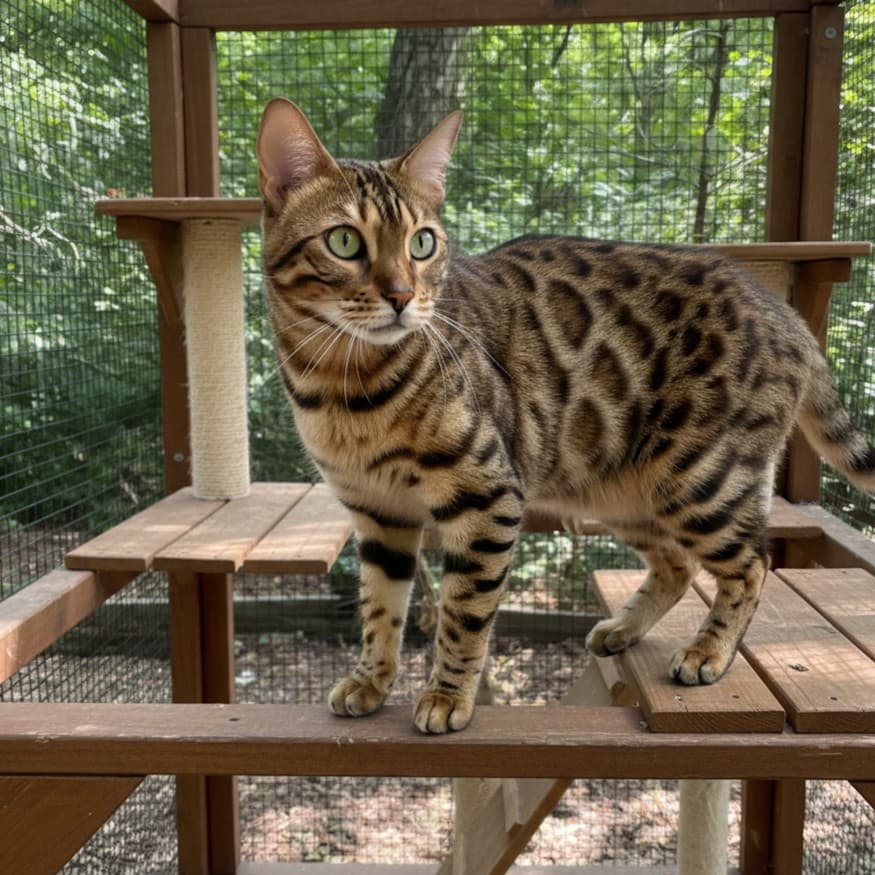
The Bengal is a hybrid cat breed created by crossing the Asian Leopard Cat with domestic cats, resulting in a stunning companion that combines exotic wild appearance with a domestic temperament. Known for their breathtaking rosettes and marbled patterns, iridescent glitter coat, and muscular athletic build, Bengals are among the most visually striking domestic cats in the world. They are highly active, exceptionally intelligent, and endlessly engaging companions. Bengals are the most popular breed registered with TICA, reflecting their broad appeal among cat enthusiasts. However, their demanding exercise needs, high intelligence, and intense energy levels mean they are best suited to experienced, committed owners who can provide the extensive enrichment and interaction these remarkable cats require.
Key Stats
Weight
7-17 lbs
Height
8-11"
Lifespan
12-16 yrs
Energy
5/5
Is This Breed Right For You?
Origin & History
Bengal cats were developed by Jean Sudgen Mill in California during the 1960s, beginning with a cross between an Asian Leopard Cat and a domestic cat. Mill's ambitious goal was to create a cat that possessed the wild, exotic appearance of a jungle cat while maintaining the predictable, affectionate temperament of a domestic companion. This vision would take decades of careful, selective breeding to realize.
The early breeding program faced significant challenges. First-generation hybrids (F1) retained many wild characteristics and were difficult to handle. Male hybrids were typically sterile for the first several generations. Mill persisted through years of careful outcrossing, using domestic breeds including Abyssinians, Egyptian Maus, and Burmese to develop the desired combination of wild looks and domestic disposition.
TICA became the first major registry to accept the Bengal in 1986, granting championship status in 1991. This recognition was a watershed moment for the breed, validating decades of careful development. CFA followed much later with recognition in 2016, reflecting a more cautious approach to hybrid breeds. Today, most major international registries recognize the Bengal.
Pet Bengals must be at least four to six generations removed from their wild Asian Leopard Cat ancestors, designated as F4 or later. Earlier generations (F1 through F3) retain more wild characteristics and may face legal restrictions in some jurisdictions. The modern Bengal, bred for many generations as a domestic cat, retains the spectacular coat patterns and athletic build of its wild forebears while exhibiting a genuinely domestic temperament suited to life as a family companion.
Traits & Characteristics
Individual cats may vary from breed-typical traits
Family & Social
Personality
Cattitude
Adaptability
Health & Wellness
Key health information for Bengal owners
Health Screening
- Hip & Elbow Evaluation
- Cardiac Exam
- Eye Certification
Exercise Needs
- 45+ minutes daily
- Mental stimulation important
- High energy breed
Watch For
- Hypertrophic Cardiomyopathy (HCM)
- Progressive Retinal Atrophy (PRA)
- Pyruvate Kinase Deficiency (PK Deficiency)
- Luxating Patella
Care Guide
Everything you need to know about caring for a Bengal
Grooming
weekly
Exercise
45+ min/day
Training
Very Easy
Health
Generally Good
Training Your Bengal
Training Approach
Use positive reinforcement with treats and play. Clicker training works excellently. Keep sessions engaging and challenging. Channel their intelligence into constructive activities.
Training Tips
- Teach tricks - they learn quickly
- Leash training highly recommended
- Use puzzle feeders for mental stimulation
- Cat wheels provide excellent exercise
- Train to redirect unwanted behaviors
Common Challenges
- May become destructive if understimulated
- Can outsmart simple barriers and locks
- High energy requires tiring them out
- May become bored with repetitive training
Is a Bengal Right For You?
Great Match If...
- You have children or a family
- You want an easy-to-train cat
- You're active and outdoorsy
- You want a loyal companion
Think Twice If...
- You want a low-energy cat
- You're away from home often
Frequently Asked Questions
Bengals can be wonderful pets for the right owners, but they are not suitable for everyone, and honest self-assessment before acquiring one is essential. They require experienced cat owners who can provide at least 45 minutes of vigorous daily exercise, constant mental stimulation through puzzle feeders and training, and regular interactive engagement throughout the day.
For owners who can meet these demands, Bengals offer a uniquely rewarding companionship experience. They are highly intelligent, endlessly playful, and form strong bonds with their families. Their exotic appearance, athletic abilities, and engaging personalities make them fascinating companions that are more interactive than most domestic cats. Many Bengal owners describe the experience as more similar to living with a small, exotic dog than a typical house cat.
However, they are emphatically not low-maintenance cats. Without adequate stimulation, they become destructive, anxious, and develop behavioral problems including furniture destruction, excessive vocalization, and inappropriate elimination. They are not typical lap cats and prefer active companionship over quiet cuddling. First-time cat owners, sedentary households, or those seeking a calm, independent pet should seriously consider other breeds instead.