Ocicat
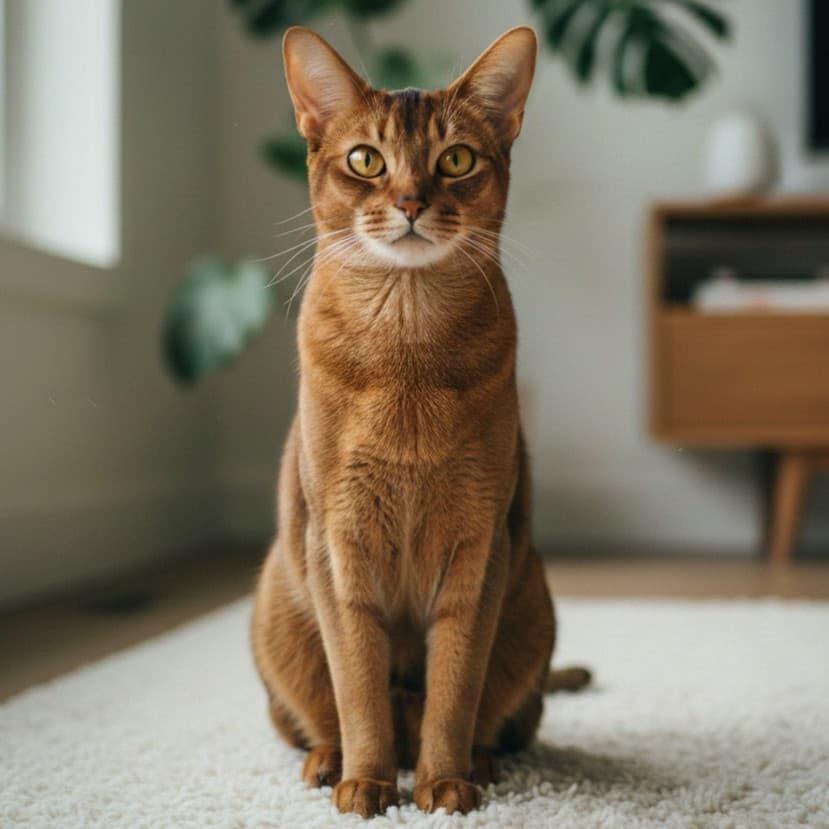
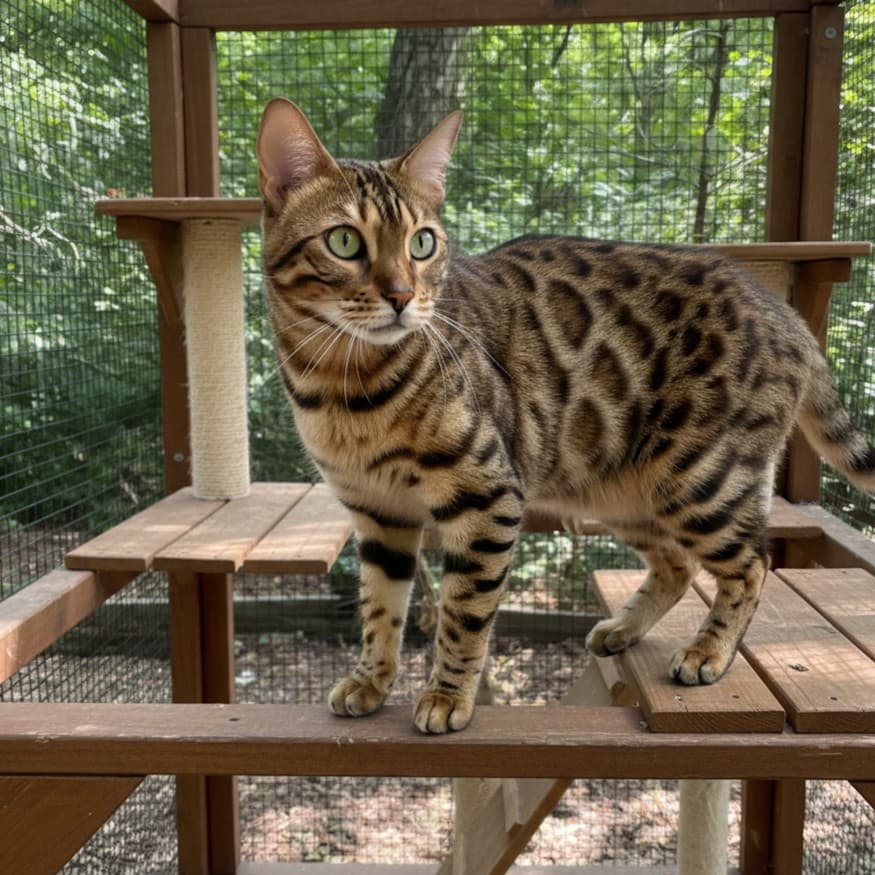
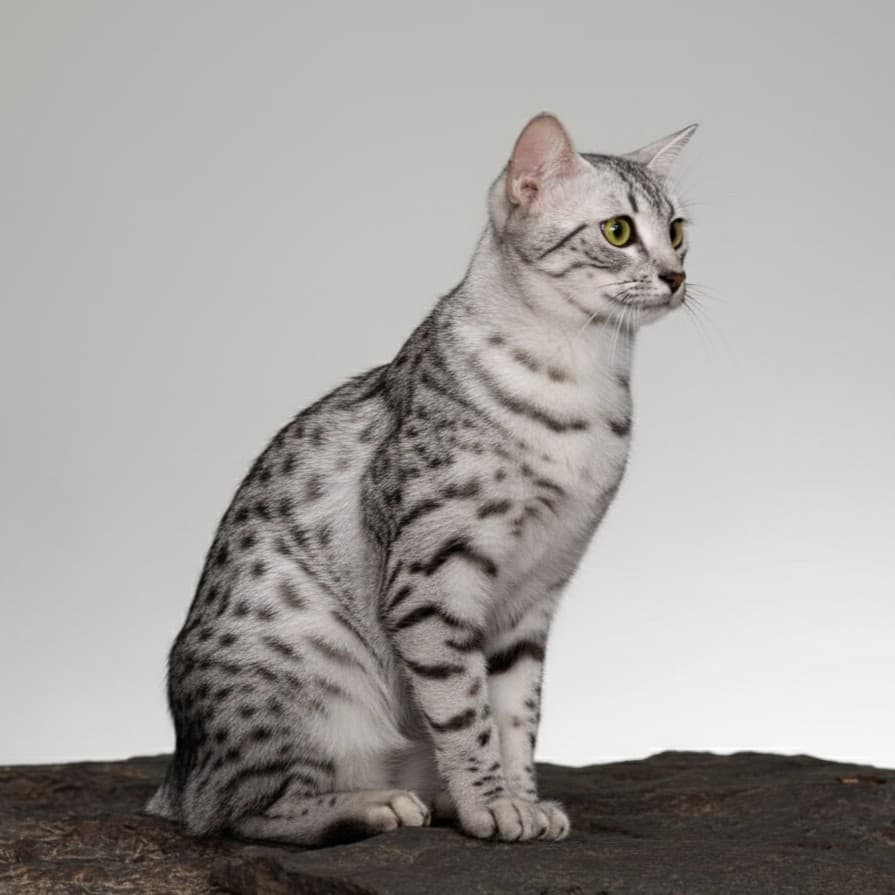
The Ocicat is a striking spotted domestic cat that looks wild but has no wild blood in its ancestry. Created accidentally in 1964 from a Siamese and Abyssinian cross, this breed combines the exotic appearance of an ocelot with an exceptionally friendly, dog-like personality. Ocicats are devoted companions known for their intelligence, trainability, and social nature. With their muscular build, confident gait, and dramatic spotted coat, Ocicats turn heads wherever they go. Yet beneath that wild exterior lies one of the most people-oriented cat breeds available, eager to play fetch, learn tricks, and follow their owners from room to room like a loyal canine companion.
Key Stats
Weight
6-15 lbs
Height
8-11"
Lifespan
12-18 yrs
Energy
4/5
Is This Breed Right For You?
Origin & History
The Ocicat was created by accident in 1964 when Virginia Daly of Michigan crossed a Siamese with an Abyssinian while attempting to develop a Siamese with Abyssinian-colored points. The resulting litter included a spotted kitten named Tonga, who resembled a wild ocelot. Though Tonga was neutered before his significance was recognized, subsequent breedings produced more spotted kittens that captured the imagination of breeders and cat enthusiasts alike.
American Shorthairs were later added to the breeding program to increase the breed's size, improve bone structure, and introduce the silver gene that created six additional color variations. The breed attracted attention for offering an exotic, wild appearance in a fully domestic cat with a predictable, friendly temperament.
CFA granted championship status in 1987, and TICA also recognized the breed. Despite their wild appearance resembling the ocelot, Ocicats contain absolutely no wild cat genetics. They are entirely the product of domestic cat crosses, making them safe, sociable pets with none of the challenges associated with wild hybrid breeds. Today, the Ocicat remains popular among owners seeking an athletic, striking cat with a dog-like devotion to family.
Traits & Characteristics
Individual cats may vary from breed-typical traits
Family & Social
Personality
Cattitude
Adaptability
Health & Wellness
Key health information for Ocicat owners
Health Screening
- Hip & Elbow Evaluation
- Cardiac Exam
- Eye Certification
Exercise Needs
- 30+ minutes daily
- Mental stimulation important
- High energy breed
Watch For
- Hypertrophic Cardiomyopathy (HCM)
- Progressive Retinal Atrophy (PRA)
- Dental Disease
- Luxating Patella
Care Guide
Everything you need to know about caring for a Ocicat
Grooming
weekly
Exercise
30+ min/day
Training
Very Easy
Health
Generally Good
Training Your Ocicat
Training Approach
Use positive reinforcement with treats, praise, and play as rewards. Clicker training works exceptionally well. Keep sessions short and varied to maintain their interest. Their social nature means they respond well to training as a bonding activity.
Training Tips
- Teach tricks - they learn commands like sit, come, and fetch
- Leash training is highly successful with Ocicats
- Use puzzle feeders to challenge their intelligence
- They can learn to play fetch and retrieve toys
- Channel their energy into structured play and training
Common Challenges
- May become bored without regular mental challenges
- Their intelligence means they can outsmart simple puzzles
- Need consistent interaction to prevent attention-seeking
- Can become demanding if training is neglected
Is a Ocicat Right For You?
Great Match If...
- You have children or a family
- You want an easy-to-train cat
- You're active and outdoorsy
- You want a loyal companion
Think Twice If...
- You want a low-energy cat
- You're away from home often
Frequently Asked Questions
Ocicats make excellent family pets, especially for active households that enjoy interacting with their animals daily. They are exceptionally friendly, confident, and good with children of all ages, displaying a patience and tolerance that makes them reliable companions around even energetic younger kids. Their playful nature means they often become favorite playmates for children who enjoy interactive games like fetch, chase, and toy retrieval.
They get along remarkably well with dogs and other cats, making them ideal for multi-pet households where social dynamics are important. Their confident temperament means they are not easily intimidated by larger pets and often initiate cross-species friendships. Having animal companions also helps satisfy their intense social needs during times when family members are away.
Their social nature means they thrive on regular interaction and do best in homes where family members can spend meaningful time with them daily. Families with an active lifestyle will find the Ocicat a perfect match for their energy and enthusiasm. However, families who are frequently away from home should consider whether they can meet the Ocicat's substantial companionship requirements before committing to this deeply social breed.