
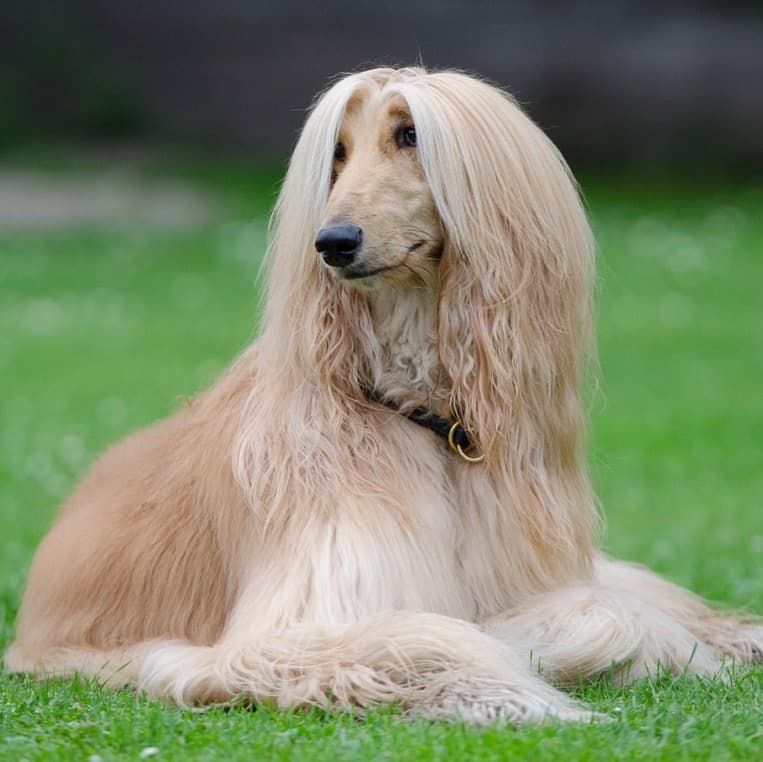
Afghan Hound
The Afghan Hound is an ancient sighthound known for its striking beauty, flowing silky coat, and aristocratic bearing. Despite their regal appearance, they possess a quirky, clownish side with those they trust. Originally bred to hunt in the mountains of Afghanistan, they combine incredible speed with independent thinking and a dignified personality.
Key Stats
Weight
45-65 lbs
Height
24-28"
Lifespan
12-14 yrs
Energy
3/5
Is This Breed Right For You?
Origin & History
The Afghan Hound is among the oldest dog breeds, with origins tracing back thousands of years to the mountains of Afghanistan, Pakistan, and northern India. Nomadic peoples used these swift sighthounds to hunt large game including leopards, gazelles, and rabbits in rugged mountain terrain. Their speed, agility, and ability to work independently made them invaluable hunters. The breed arrived in England in the early 1900s and was recognized by the AKC in 1926.
Traits & Characteristics
Individual dogs may vary from breed-typical traits
Family & Social
Personality
Physical Traits
Adaptability
Health & Wellness
Key health information for Afghan Hound owners
Health Screening
- Hip & Elbow Evaluation
- Cardiac Exam
- Eye Certification
Exercise Needs
- 60+ minutes daily
- Mental stimulation important
- Moderate activity
Watch For
- Bloat (Gastric Dilatation-Volvulus)
- Hip Dysplasia
- Hypothyroidism
- Cancer
Care Guide
Everything you need to know about caring for a Afghan Hound
Grooming
daily
Exercise
60+ min/day
Training
Moderate
Health
Generally Good
Training Your Afghan Hound
Training Approach
Positive reinforcement is essential. The key is making the Afghan think training was their own idea, then rewarding quickly. Use high-value food rewards, keep sessions short and interesting, and never use harsh corrections. Consistency from all family members is crucial.
Training Tips
- Start socialization and training very early before independence sets in
- Use high-value treats and make training feel like a game
- Keep sessions short and end on a positive note
- Be patient—Afghans learn at their own pace and on their own terms
- Never use harsh corrections or punishment
Common Challenges
- Extreme independence can make basic obedience difficult
- High prey drive makes reliable off-leash recall nearly impossible
- May become bored with repetitive training exercises
- Sensitive nature means harsh correction backfires completely
Is a Afghan Hound Right For You?
Great Match If...
- You're active and outdoorsy
- You want a loyal companion
Think Twice If...
- You live in a small space
- You're away from home often
Frequently Asked Questions
Afghan Hounds can be good family dogs for the right household, but they're not ideal for families with young children. They don't tolerate rough handling, sudden movements, or loud, chaotic environments well. They prefer calm households and bond deeply with their people but show affection on their own terms. They may get along with older, respectful children who understand their sensitive nature. If rehomed as adults, they often struggle to adapt to new families.