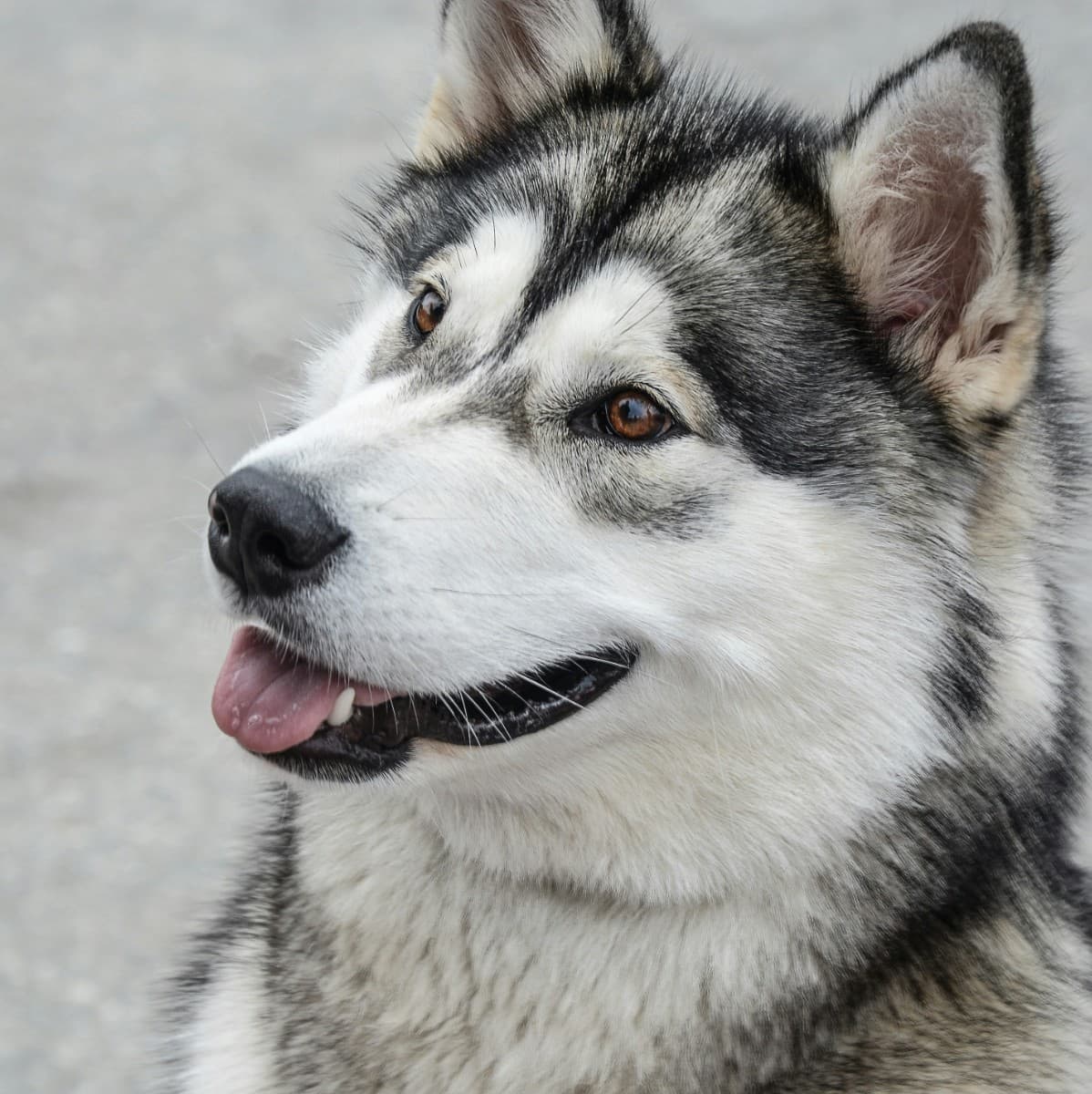
Alaskan Malamute
The Alaskan Malamute is a powerful, athletic Arctic breed built for hauling heavy loads across frozen terrain. As one of the oldest sled dog breeds, they combine tremendous strength with an affectionate, playful personality. These majestic dogs are devoted family companions who thrive on activity and human connection, but their size, strength, and independent nature require experienced ownership.
Key Stats
Weight
70-95 lbs
Height
22-26"
Lifespan
10-14 yrs
Energy
5/5
Is This Breed Right For You?
Origin & History
The Alaskan Malamute is named for the Mahlemut Inuit people who developed them in Alaska's Norton Sound region thousands of years ago. These dogs were essential for survival, hauling heavy loads of supplies and game across the Arctic. Unlike racing sled dogs bred for speed, Malamutes were bred for strength and endurance. During the Gold Rush and World Wars, they served in expeditions and as military dogs. The AKC recognized the breed in 1935.
Traits & Characteristics
Individual dogs may vary from breed-typical traits
Family & Social
Personality
Physical Traits
Adaptability
Health & Wellness
Key health information for Alaskan Malamute owners
Health Screening
- Hip & Elbow Evaluation
- Cardiac Exam
- Eye Certification
Exercise Needs
- 120+ minutes daily
- Mental stimulation important
- High energy breed
Watch For
- Hip Dysplasia
- Elbow Dysplasia
- Hypothyroidism
- Progressive Retinal Atrophy (PRA)
Care Guide
Everything you need to know about caring for a Alaskan Malamute
Grooming
daily
Exercise
120+ min/day
Training
Moderate
Health
Generally Good
Training Your Alaskan Malamute
Training Approach
Use positive reinforcement with high-value rewards. Establish yourself as a calm, consistent leader early. Keep training sessions interesting and purposeful—Malamutes get bored with pointless repetition. Never use harsh corrections, which can damage trust and increase stubbornness. Make training feel like teamwork, not domination.
Training Tips
- Start training and socialization as early as possible
- Keep sessions short, varied, and mentally engaging
- Use high-value food rewards—Malamutes are food-motivated
- Provide purpose and work to satisfy their need to be useful
- Be patient—this is a marathon, not a sprint
Common Challenges
- Strong prey drive makes reliable recall very difficult
- May try to dominate if they don't respect the handler
- Independent thinking can appear as deliberate disobedience
- Prone to escape artistry—digging under and climbing over fences
Is a Alaskan Malamute Right For You?
Great Match If...
- You're active and outdoorsy
- You want a loyal companion
Think Twice If...
- You can't handle lots of fur
- You live in a small space
- You want a low-energy dog
- You're away from home often
Frequently Asked Questions
Alaskan Malamutes can be excellent family companions for active households with experienced dog owners. They're affectionate, playful, and loyal to their families. However, their large size and exuberance make them less suitable for homes with small children, as they can accidentally knock kids over. They do best with older children who can participate in activities with them. Their prey drive also means caution around small pets.