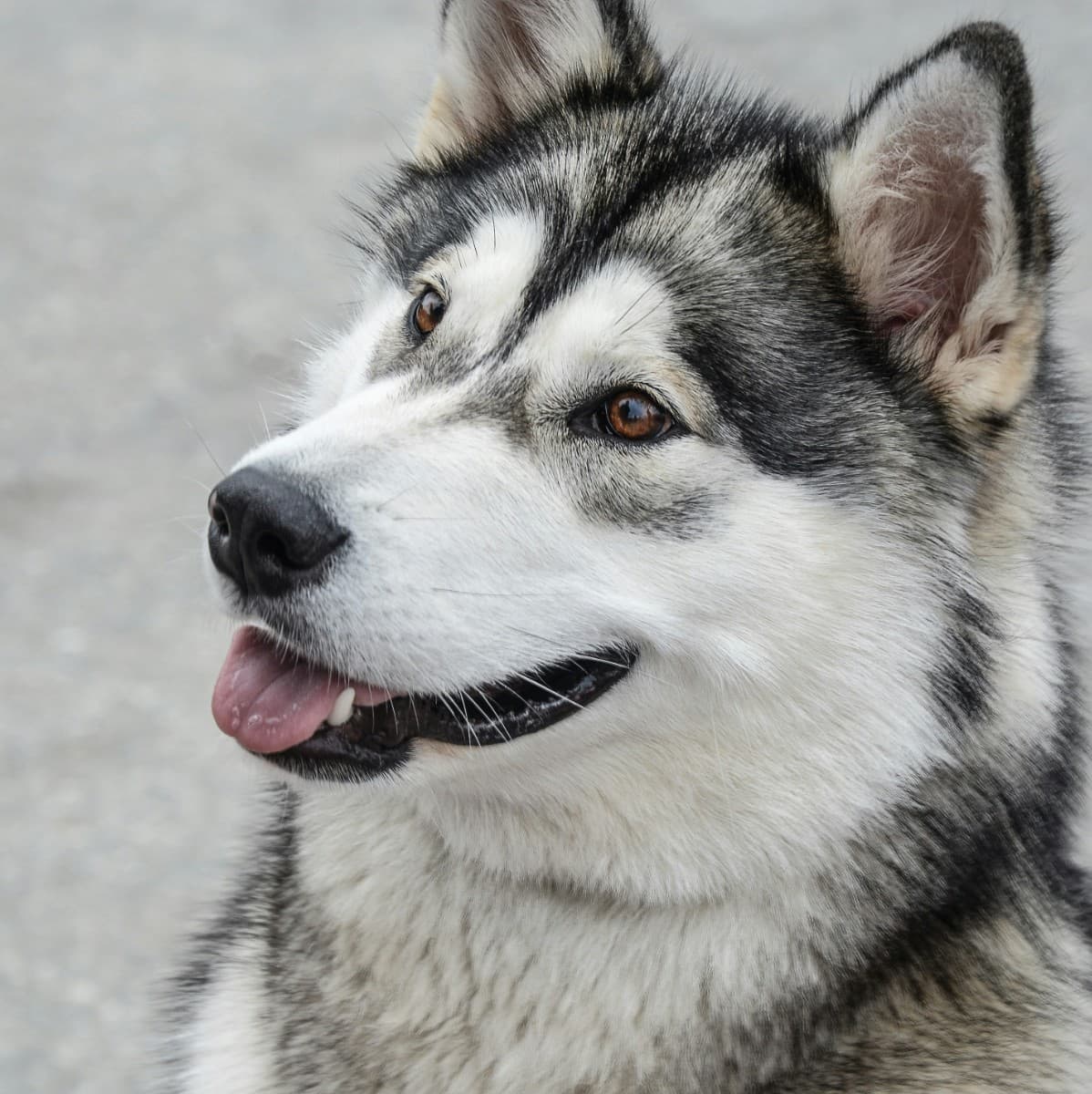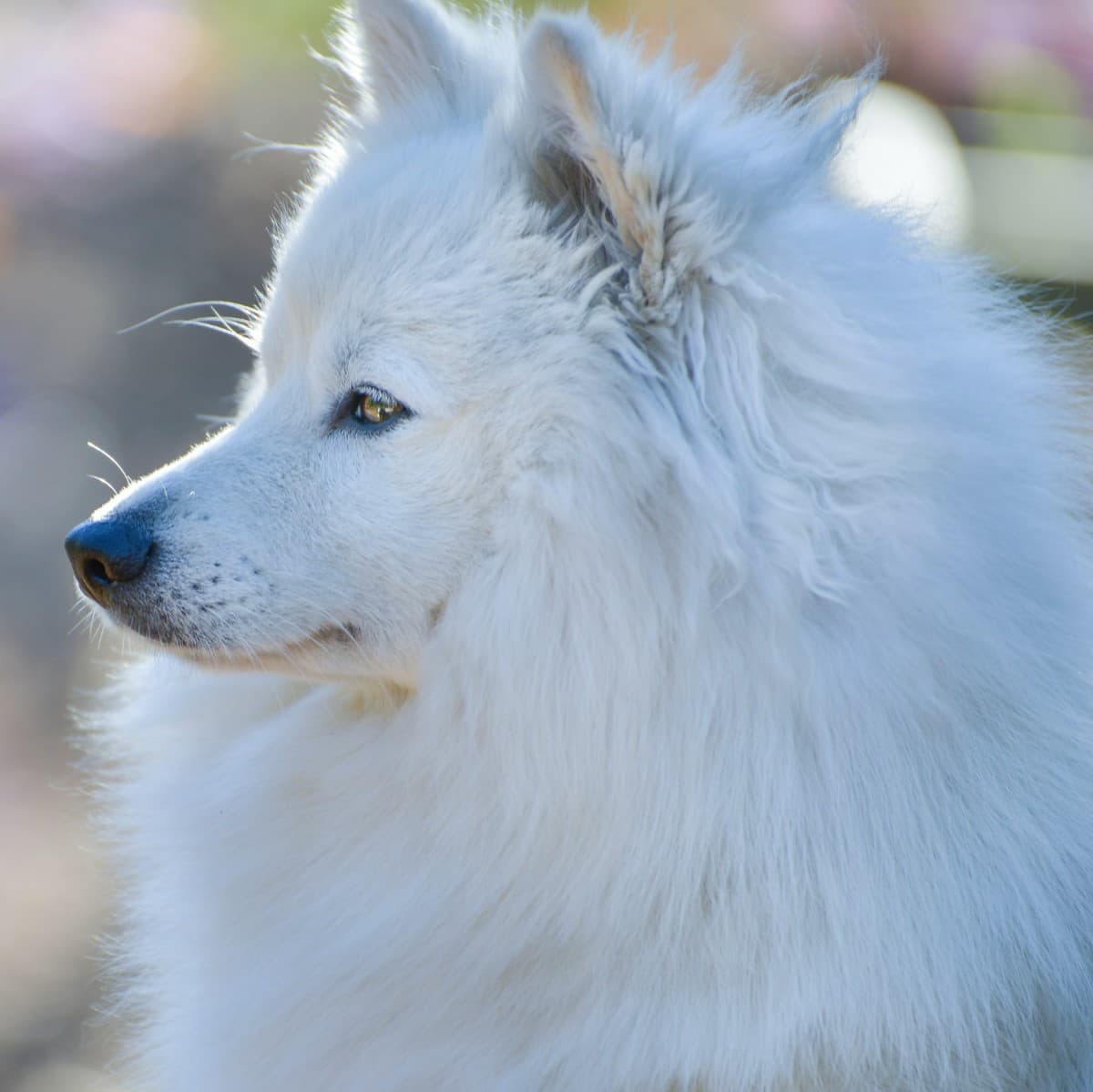
Samoyed
The Samoyed is a beautiful, fluffy white spitz breed known for their 'Sammy smile' - the upturned corners of their mouth. They are friendly, gentle dogs who love everyone. Originally bred to herd reindeer and pull sleds, they are devoted family companions.
Key Stats
Weight
35-65 lbs
Height
19-23.5"
Lifespan
12-14 yrs
Energy
4/5
Is This Breed Right For You?
Origin & History
Samoyeds were developed by the Samoyede people of Siberia to herd reindeer, pull sleds, and keep their owners warm. They lived closely with families and developed their exceptionally friendly nature. They were used on polar expeditions. The AKC recognized them in 1906.
Traits & Characteristics
Individual dogs may vary from breed-typical traits
Family & Social
Personality
Physical Traits
Adaptability
Health & Wellness
Key health information for Samoyed owners
Health Screening
- Hip & Elbow Evaluation
- Cardiac Exam
- Eye Certification
Exercise Needs
- 60+ minutes daily
- Mental stimulation important
- High energy breed
Watch For
- Hip Dysplasia
- Progressive Retinal Atrophy (PRA)
- Samoyed Hereditary Glomerulopathy
- Hypothyroidism
Care Guide
Everything you need to know about caring for a Samoyed
Grooming
daily
Exercise
60+ min/day
Training
Moderate
Health
Generally Good
Training Your Samoyed
Training Approach
Use positive reinforcement with patience. They can be stubborn. Keep training fun and interesting. They respond well to treats. Avoid harsh methods.
Training Tips
- Use positive methods
- Be patient with stubbornness
- Keep training fun
- They are food-motivated
- Consistency important
Common Challenges
- Can be stubborn
- Excessive shedding
- Very vocal
- Cannot tolerate heat
Is a Samoyed Right For You?
Great Match If...
- You have children or a family
- You have other dogs
- You're active and outdoorsy
- You want a loyal companion
Think Twice If...
- You can't handle lots of fur
- You live in a small space
- You want a low-energy dog
- You're away from home often
Frequently Asked Questions
The Samoyed has a characteristic 'smile' due to the upturned corners of their mouth. This prevented drooling (which would freeze) in the Arctic. It gives them a perpetually happy expression.