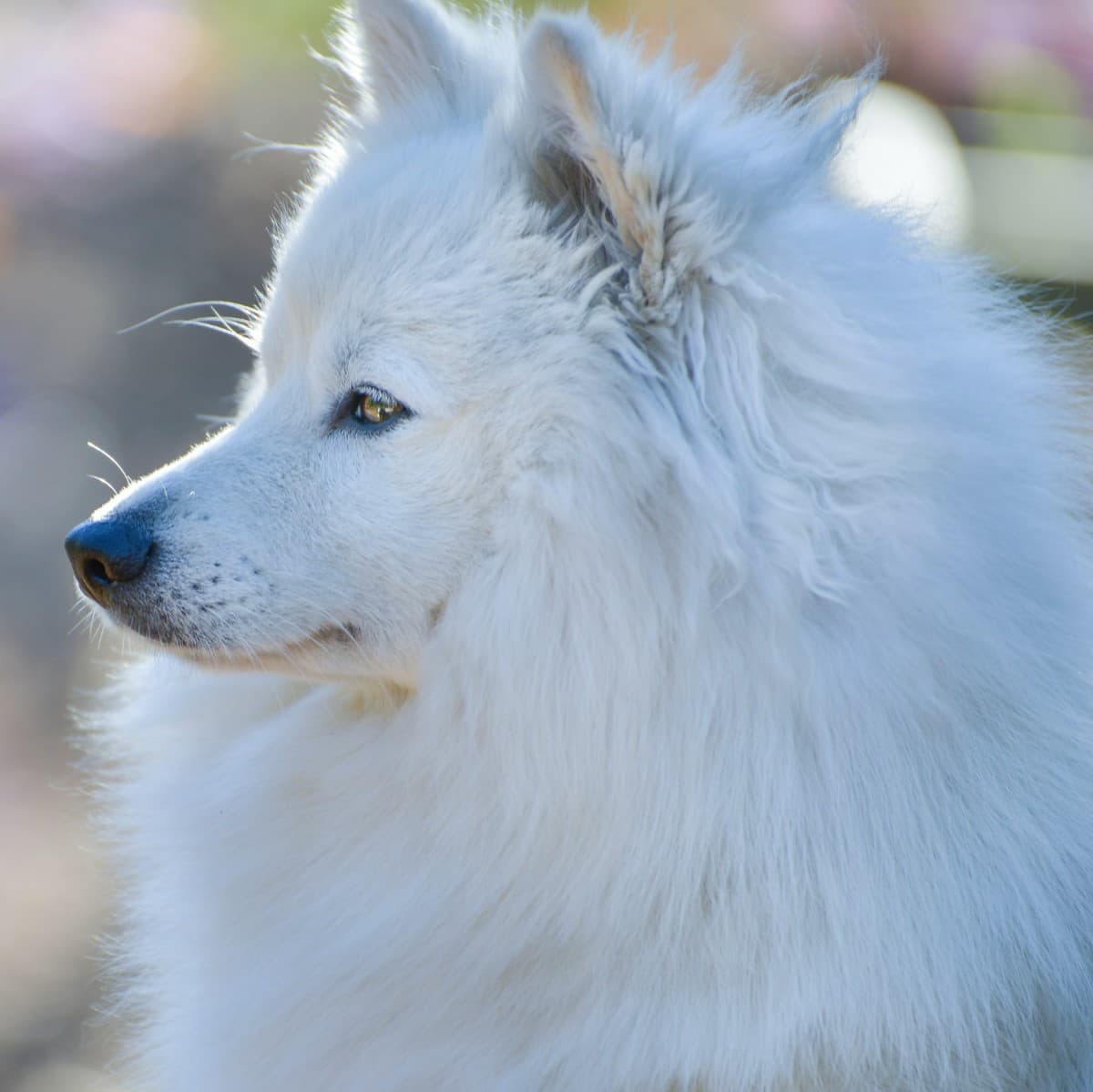
Pomeranian
The Pomeranian is a tiny, fluffy spitz breed with a big personality. They are lively, intelligent dogs who are devoted to their owners. Despite their small size, they are bold and make excellent watchdogs - sometimes too excellent as they can be yappy.
Key Stats
Weight
3-7 lbs
Height
6-7"
Lifespan
12-16 yrs
Energy
4/5
Is This Breed Right For You?
Origin & History
Pomeranians descend from large sled dogs in Pomerania (now Germany/Poland). They were bred down to toy size over generations. Queen Victoria popularized the smaller size in the 1800s. They are the smallest spitz breed. The AKC recognized them in 1888.
Traits & Characteristics
Individual dogs may vary from breed-typical traits
Family & Social
Personality
Physical Traits
Adaptability
Health & Wellness
Key health information for Pomeranian owners
Health Screening
- Hip & Elbow Evaluation
- Cardiac Exam
- Eye Certification
Exercise Needs
- 30+ minutes daily
- Mental stimulation important
- High energy breed
Watch For
- Luxating Patella
- Collapsed Trachea
- Alopecia X (Black Skin Disease)
- Hypothyroidism
Care Guide
Everything you need to know about caring for a Pomeranian
Grooming
daily
Exercise
30+ min/day
Training
Very Easy
Health
Generally Good
Training Your Pomeranian
Training Approach
Use positive reinforcement with consistency. Don't let their cuteness excuse bad behavior. Keep training fun and interesting. Address barking early. They are quick learners.
Training Tips
- Use positive reinforcement
- Be consistent - don't spoil
- Address barking from start
- They learn tricks well
- Keep training fun
Common Challenges
- Can be yappy if not trained
- May develop small dog syndrome
- Can be difficult to house train
- May be stubborn
Is a Pomeranian Right For You?
Great Match If...
- You want an easy-to-train dog
- You're active and outdoorsy
- You want a loyal companion
Think Twice If...
- You can't handle lots of fur
- You want a low-energy dog
- You're away from home often
Frequently Asked Questions
Yes, Pomeranians can be excessive barkers. They are alert watchdogs who bark at everything. Training from puppyhood is essential to manage barking.