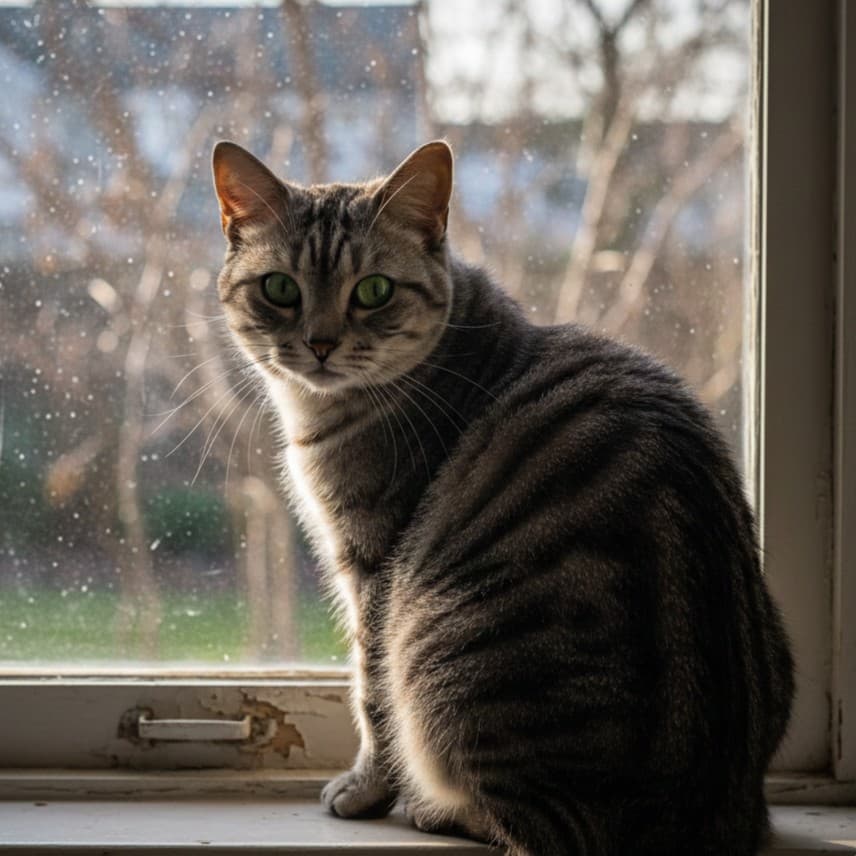
Manx
The Manx is an ancient, naturally occurring breed from the Isle of Man known for its distinctive taillessness and rabbit-like appearance. With their round bodies, powerful hind legs, and characteristic 'bunny hop' gait, Manx cats are both unique and charming. They are renowned for their dog-like loyalty, playful intelligence, and affectionate bonds with their families. As one of the oldest recognized cat breeds, the Manx carries a rich history intertwined with the culture of its island home. Their combination of distinctive appearance, devoted temperament, and natural mousing abilities has made them beloved companions worldwide for generations.
Key Stats
Weight
6-12 lbs
Height
8-12"
Lifespan
9-13 yrs
Energy
3/5
Is This Breed Right For You?
Origin & History
The Manx originated on the Isle of Man in the Irish Sea, where geographic isolation allowed the tailless mutation to become firmly established within the local cat population over centuries. The tailless gene is a natural, spontaneous dominant mutation that occurred long before recorded breeding programs existed. The small island's limited gene pool meant the trait became remarkably common among the feral and domestic cat populations.
Manx cats were shown at some of the earliest cat shows in the late 1800s and were among the founding breeds of the Cat Fanciers' Association in 1906, making them one of the oldest recognized breeds in North America. Colorful legends abound about their taillessness, from stories about Noah accidentally closing the Ark door on the cat's tail, to tales of cats swimming to shore from wrecked ships of the Spanish Armada.
The Isle of Man has embraced the Manx as a cultural icon, featuring the breed on stamps, coins, and official emblems. Today, the breed is maintained by careful breeders worldwide who understand the complex genetics of the tailless gene and breed responsibly to minimize health risks while preserving the breed's unique characteristics.
Traits & Characteristics
Individual cats may vary from breed-typical traits
Family & Social
Personality
Cattitude
Adaptability
Health & Wellness
Key health information for Manx owners
Health Screening
- Hip & Elbow Evaluation
- Cardiac Exam
- Eye Certification
Exercise Needs
- 20+ minutes daily
- Mental stimulation important
- Moderate activity
Watch For
- Spinal Muscular Atrophy (SMA)
- Hip Dysplasia
- Obesity
- Dental Disease
Care Guide
Everything you need to know about caring for a Manx
Grooming
weekly
Exercise
20+ min/day
Training
Very Easy
Health
Monitor Closely
Training Your Manx
Training Approach
Use positive reinforcement with treats and play as rewards. Clicker training works exceptionally well. They enjoy mental challenges and interactive training sessions.
Training Tips
- Teach fetch - many Manx cats naturally retrieve
- Use their intelligence for puzzle feeders
- Can be leash trained for outdoor walks
- Respond well to their names and commands
- Food rewards are highly effective
Common Challenges
- May become bored without mental stimulation
- Can be possessive of toys or family members
- Some individuals can be stubborn
Is a Manx Right For You?
Great Match If...
- You have children or a family
- You want an easy-to-train cat
- You're active and outdoorsy
- You want a loyal companion
Think Twice If...
- Budget is tight for vet bills
Frequently Asked Questions
Manx cats are tailless due to a naturally occurring genetic mutation that originated on the Isle of Man centuries ago, long before intentional breeding programs existed. The gene responsible, known as the M gene, is a dominant mutation, meaning only one copy is needed to produce the tailless trait. The isolated island population with its limited gene pool allowed this trait to spread widely and become firmly established as a defining breed characteristic over many generations.
Notably, cats with two copies of the gene (homozygous MM) do not survive, dying in utero, which is why responsible breeders carefully manage pairings to avoid mating two completely tailless cats. This lethal gene interaction also naturally reduces litter sizes in Manx breeding.
Not all Manx cats are completely tailless. They exist on a spectrum classified by breeders as rumpy (completely tailless with a dimple), rumpy riser (one to three vertebrae), stumpy (a short movable tail), and longy (near-normal tail length). The show ring typically favors rumpies and rumpy risers, but all tail lengths are valid Manx cats with the same wonderful temperament.