Norwegian Forest Cat
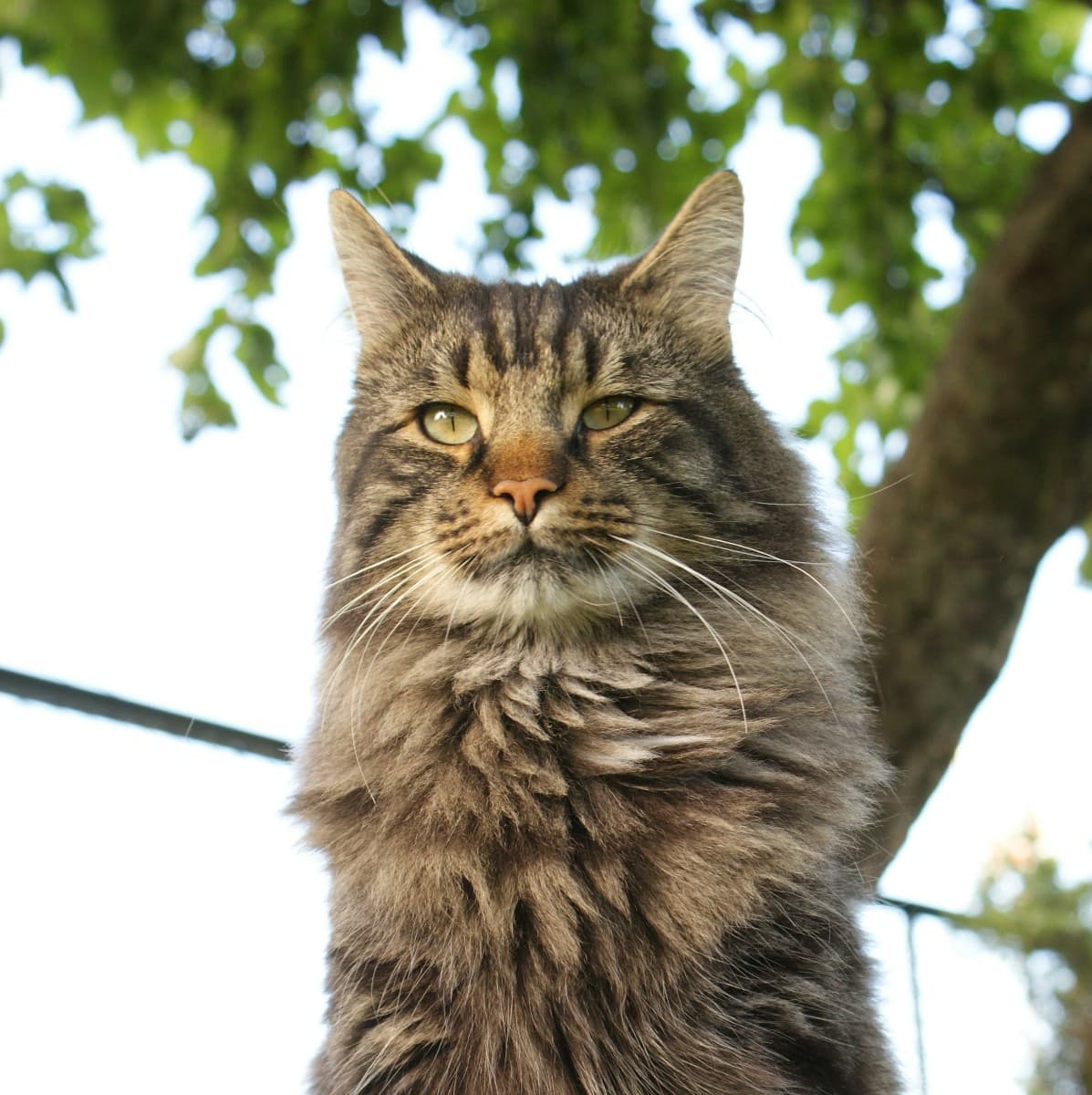
The Norwegian Forest Cat, affectionately called 'Wegie' or 'Skogkatt' in its native Norway, is a large, robust natural breed with a distinctive waterproof double coat and exceptional climbing abilities. Known for their gentle, friendly personalities and striking wild appearance, these cats were valued by Vikings for their hunting prowess aboard longships and in Norse settlements. They combine impressive athleticism with a calm, laid-back temperament, making them excellent companions for families who appreciate an independent yet affectionate feline. Their mythological connection to Norse goddess Freya and their centuries-old heritage give them an air of noble distinction that perfectly complements their gentle, approachable nature.
Key Stats
Weight
8-18 lbs
Height
8-12"
Lifespan
14-16 yrs
Energy
3/5
Is This Breed Right For You?
Origin & History
Norwegian Forest Cats are believed to have arrived in Scandinavia with the Vikings around 1000 AD, possibly descended from cats brought from Britain, the Byzantine Empire, or other regions along Viking trade routes. These rugged cats developed their distinctive waterproof coats, robust build, and exceptional climbing abilities through centuries of natural selection in Norway's harsh, cold climate with its dense forests and long winters.
They appear prominently in Norse mythology as the giant cats that pulled the goddess Freya's chariot across the sky, and in folk tales as 'skogkatt,' meaning forest cat. For centuries, they served as valued mousers on Norwegian farms and aboard Viking ships. Their practical importance to Norwegian life made them a common and beloved presence throughout the country.
The breed nearly became extinct during World War II as breeding programs were abandoned and the cats interbred with domestic shorthairs. Dedicated Norwegian breeders, led by Carl-Fredrik Nordane, launched a serious revival effort in the 1970s. King Olav V of Norway designated them the country's official breed. TICA recognized them in 1984, and CFA granted championship status in 1993. Today, Norwegian Forest Cats are popular worldwide, though they remain especially treasured in their Scandinavian homeland.
Traits & Characteristics
Individual cats may vary from breed-typical traits
Family & Social
Personality
Cattitude
Adaptability
Health & Wellness
Key health information for Norwegian Forest Cat owners
Health Screening
- Hip & Elbow Evaluation
- Cardiac Exam
- Eye Certification
Exercise Needs
- 30+ minutes daily
- Mental stimulation important
- Moderate activity
Watch For
- Hypertrophic Cardiomyopathy (HCM)
- Hip Dysplasia
- Polycystic Kidney Disease (PKD)
- Pyruvate Kinase Deficiency (PK Deficiency)
Care Guide
Everything you need to know about caring for a Norwegian Forest Cat
Grooming
2x weekly
Exercise
30+ min/day
Training
Very Easy
Health
Generally Good
Training Your Norwegian Forest Cat
Training Approach
Positive reinforcement with treats works best. Short, engaging sessions prevent boredom. Clicker training can be effective for motivated individuals.
Training Tips
- Start training while still a kitten
- Keep sessions short and rewarding (5-10 minutes)
- Use their prey drive with interactive toys
- Teach climbing games on cat trees
- Consider harness training for outdoor time
Common Challenges
- Independent nature may resist repetitive training
- Some individuals prefer to do things their own way
- May lose interest if training isn't stimulating
Is a Norwegian Forest Cat Right For You?
Great Match If...
- You have children or a family
- You want an easy-to-train cat
- You're active and outdoorsy
- You want a loyal companion
Think Twice If...
- You can't handle lots of fur
Frequently Asked Questions
Yes, Norwegian Forest Cats make excellent family pets for households that appreciate a gentle, independent companion with a calm, steady presence. They are patient and typically good with children who treat them respectfully, tolerating the activity of a busy household without becoming stressed or overstimulated. Their sturdy, large build makes them resilient playmates for older children who understand appropriate cat interaction.
While genuinely affectionate with family members, Norwegian Forest Cats are not excessively demanding and can entertain themselves when needed, making them less high-maintenance than some similarly-sized breeds like the Maine Coon. They show their love through quiet companionship and proximity rather than constant attention-seeking, which suits families with varied schedules.
They generally get along well with other cats and cat-friendly dogs, integrating into multi-pet households with minimal drama. Their independent yet friendly nature makes them ideal for families who want an affectionate cat that does not require constant attention, handling, or entertainment. Providing tall climbing structures and daily play sessions satisfies their physical needs while their calm temperament keeps the household peaceful.