Siberian
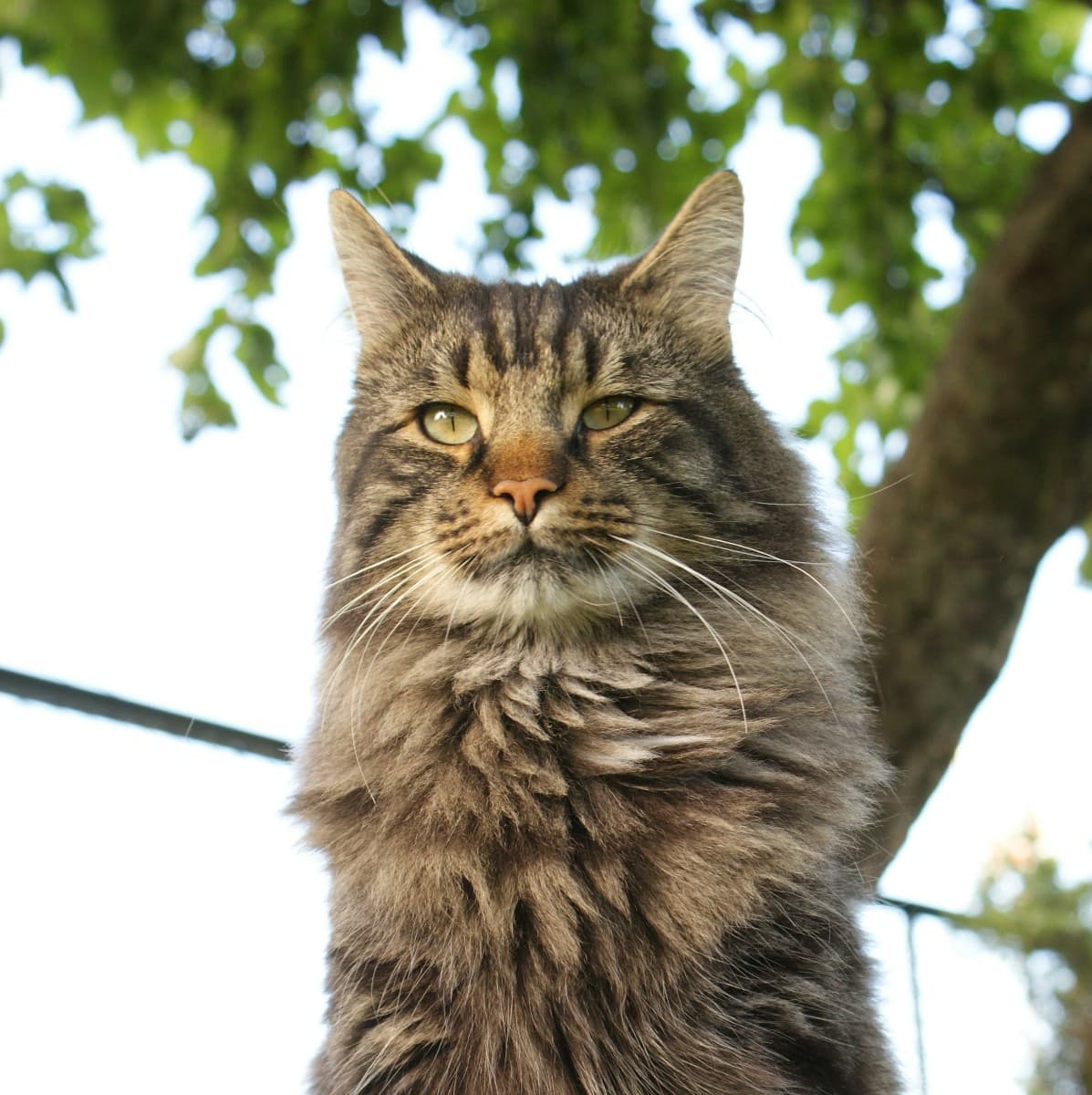
The Siberian is Russia's native forest cat, a large, powerful breed with a magnificent triple coat and an exceptionally affectionate personality that belies their rugged appearance. Known as the national cat of Russia, Siberians have existed for at least 1,000 years in their homeland, developing naturally in the harsh climate to become one of the most robust and impressive cat breeds in the world. They are prized for their dog-like devotion to their families, remarkable intelligence, and impressive athletic abilities that include powerful jumping and agile climbing. Notably, Siberians tend to produce lower levels of the Fel d 1 allergen, making them potentially more suitable for some allergy sufferers, though individual variation is significant and no cat is truly hypoallergenic.
Key Stats
Weight
10-20 lbs
Height
9-12"
Lifespan
12-15 yrs
Energy
4/5
Is This Breed Right For You?
Origin & History
Siberians are one of the oldest natural cat breeds, with references dating back to Russian fairy tales, folklore, and historical documents spanning over 1,000 years. Known in their homeland as the Sibirskaya Koshka, these cats developed naturally in the harsh continental climate of Siberia, evolving their distinctive water-resistant triple coat, tufted ears, and large furred paws as adaptations for survival in extreme cold and deep snow.
First formally documented in the 1870s, Siberians were exhibited at some of the earliest organized cat shows in England, though they remained relatively unknown outside Russia for over a century. The breed nearly disappeared during the Soviet era when pet ownership was actively discouraged by the government, and pedigree breeding programs were virtually nonexistent. Siberians survived primarily as working farm cats and urban strays throughout this period.
After the Cold War ended and Russian borders opened, the first Siberians were imported to the United States in 1990 by breeder Elizabeth Terrell, who exchanged Himalayan cats with a Russian breeder named Nelli Sachuk. These foundation cats sparked enormous interest in the breed. TICA recognized the Siberian in 1996, and CFA granted full championship status in 2006. The breed has grown steadily in popularity worldwide, particularly among allergy sufferers drawn by reports of lower Fel d 1 allergen production.
Traits & Characteristics
Individual cats may vary from breed-typical traits
Family & Social
Personality
Cattitude
Adaptability
Health & Wellness
Key health information for Siberian owners
Health Screening
- Hip & Elbow Evaluation
- Cardiac Exam
- Eye Certification
Exercise Needs
- 30+ minutes daily
- Mental stimulation important
- High energy breed
Watch For
- Hypertrophic Cardiomyopathy (HCM)
- Polycystic Kidney Disease (PKD)
- Hip Dysplasia
- Pyruvate Kinase Deficiency (PK Deficiency)
Care Guide
Everything you need to know about caring for a Siberian
Grooming
2x weekly
Exercise
30+ min/day
Training
Very Easy
Health
Generally Good
Training Your Siberian
Training Approach
Positive reinforcement with treats and praise works excellently. Clicker training is effective, and their food motivation makes them responsive to training sessions.
Training Tips
- Start training early while still a kitten
- Keep sessions short and engaging (5-10 minutes)
- Use their natural athleticism for agility games
- Teach fetch - many Siberians love retrieving
- Consider harness training for supervised outdoor time
Common Challenges
- May become bored with repetitive tasks
- Strong prey drive can cause distraction
- Some individuals prefer play over formal training
Is a Siberian Right For You?
Great Match If...
- You have children or a family
- You want an easy-to-train cat
- You're active and outdoorsy
- You want a loyal companion
Think Twice If...
- You can't handle lots of fur
- You want a low-energy cat
- You're away from home often
Frequently Asked Questions
Siberians produce lower levels of Fel d 1, the primary allergen in cat saliva and skin secretions, making them potentially more tolerable for some allergy sufferers. Studies have found that approximately 50 percent of Siberians produce notably lower Fel d 1 levels compared to the general cat population. However, no cat is truly hypoallergenic, and this trait varies significantly between individual cats, with some Siberians producing nearly as much allergen as other breeds.
Female and neutered male Siberians tend to produce the lowest Fel d 1 levels, while intact males typically produce the highest. Some reputable breeders offer saliva or fur sample testing to measure individual allergen levels before placement, which can be invaluable for allergy-sensitive families making adoption decisions.
Before committing to adoption, allergy sufferers should spend multiple extended visits with the specific cat they are considering, ideally over several weeks. Short visits may not trigger symptoms that emerge with prolonged daily exposure. Using HEPA air purifiers, maintaining rigorous cleaning routines, and keeping certain rooms cat-free can further reduce allergen exposure for sensitive household members.