Harrier
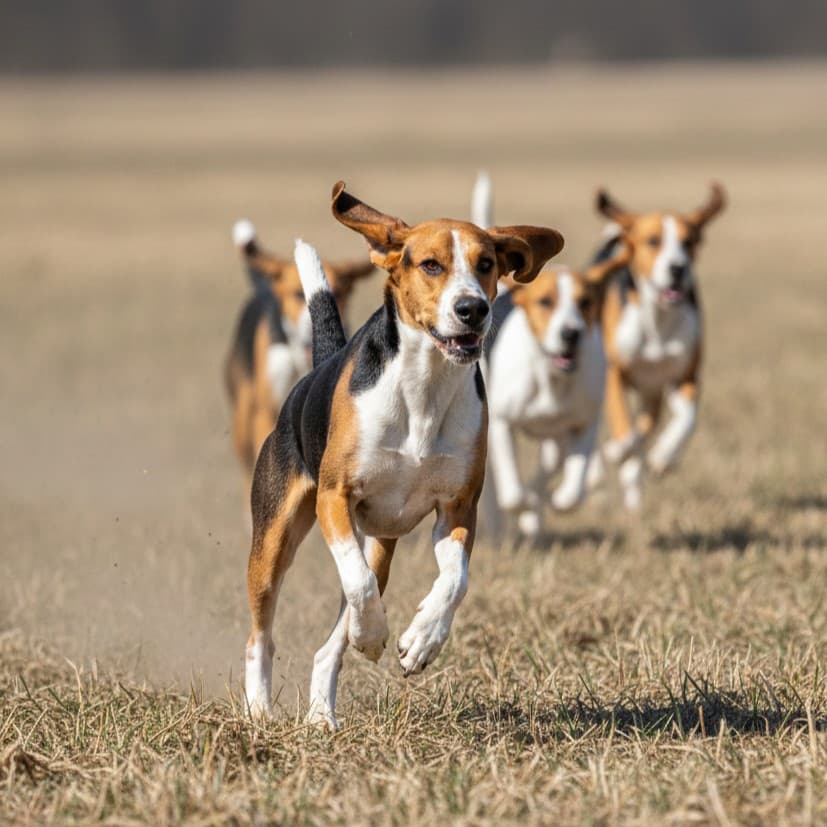
The Harrier is a medium-sized pack hound bred for hunting hare. Similar to Beagles but larger, they are friendly, outgoing dogs with high energy needs. They are rarely kept as single pets and do best with canine companionship.
Key Stats
Weight
45-60 lbs
Height
19-21"
Lifespan
12-15 yrs
Energy
5/5
Is This Breed Right For You?
Origin & History
Harriers have been used in England since the 1200s for hunting hare by scent. They are one of the oldest hound breeds. They hunt in packs on foot. They are related to English Foxhounds and Beagles. The AKC recognized them in 1885. They remain one of the rarer AKC breeds.
Traits & Characteristics
Individual dogs may vary from breed-typical traits
Family & Social
Personality
Physical Traits
Adaptability
Health & Wellness
Key health information for Harrier owners
Health Screening
- Hip & Elbow Evaluation
- Cardiac Exam
- Eye Certification
Exercise Needs
- 90+ minutes daily
- Mental stimulation important
- High energy breed
Watch For
- Hip Dysplasia
- Ear Infections (Otitis)
Care Guide
Everything you need to know about caring for a Harrier
Grooming
weekly
Exercise
90+ min/day
Training
Moderate
Health
Generally Good
Training Your Harrier
Training Approach
Use positive reinforcement with high-value rewards. Be patient and realistic. Focus on recall (though never reliable). Accept their independent hound nature.
Training Tips
- Use high-value food rewards
- Be realistic about training limitations
- Focus on basic manners
- Recall is difficult to achieve
- Never trust off leash in unfenced areas
Common Challenges
- Independent hound nature
- Will follow scent despite commands
- Recall is very difficult
- Not bred for obedience
Is a Harrier Right For You?
Great Match If...
- You have children or a family
- You have other dogs
- You're active and outdoorsy
- You want a loyal companion
Think Twice If...
- You live in a small space
- You want a low-energy dog
- You're away from home often
Frequently Asked Questions
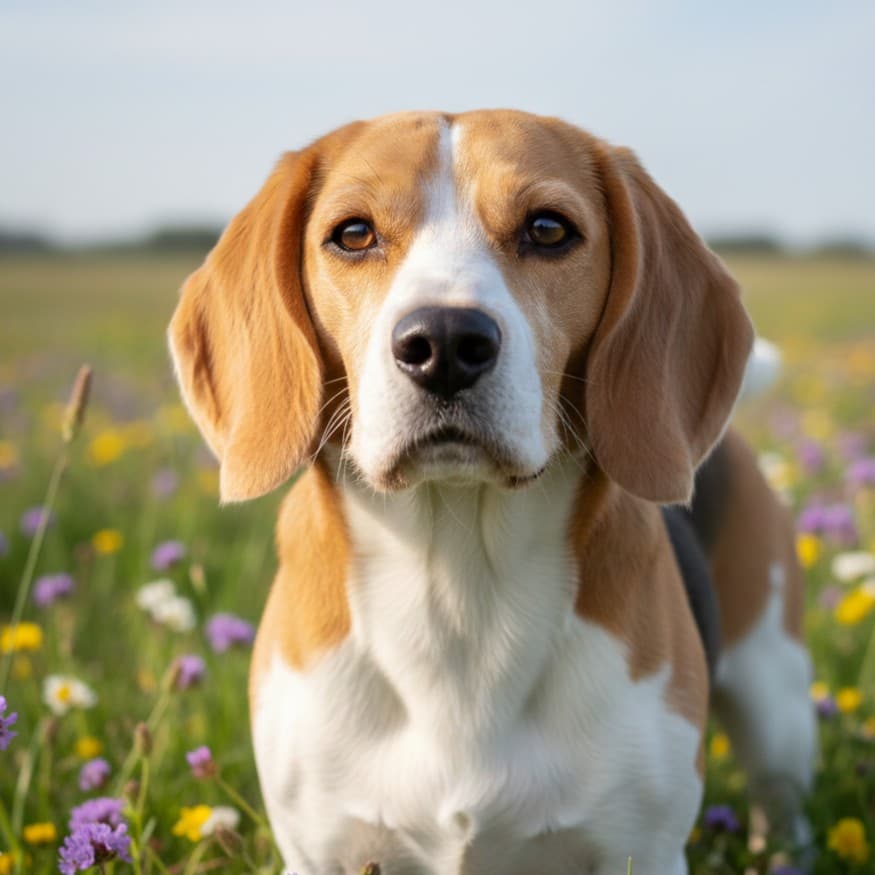
Harriers are larger than Beagles (19-21 inches vs 13-15 inches). They are bred for hunting hare rather than rabbits. They have more stamina and longer legs. Both are friendly, pack-oriented scenthounds.