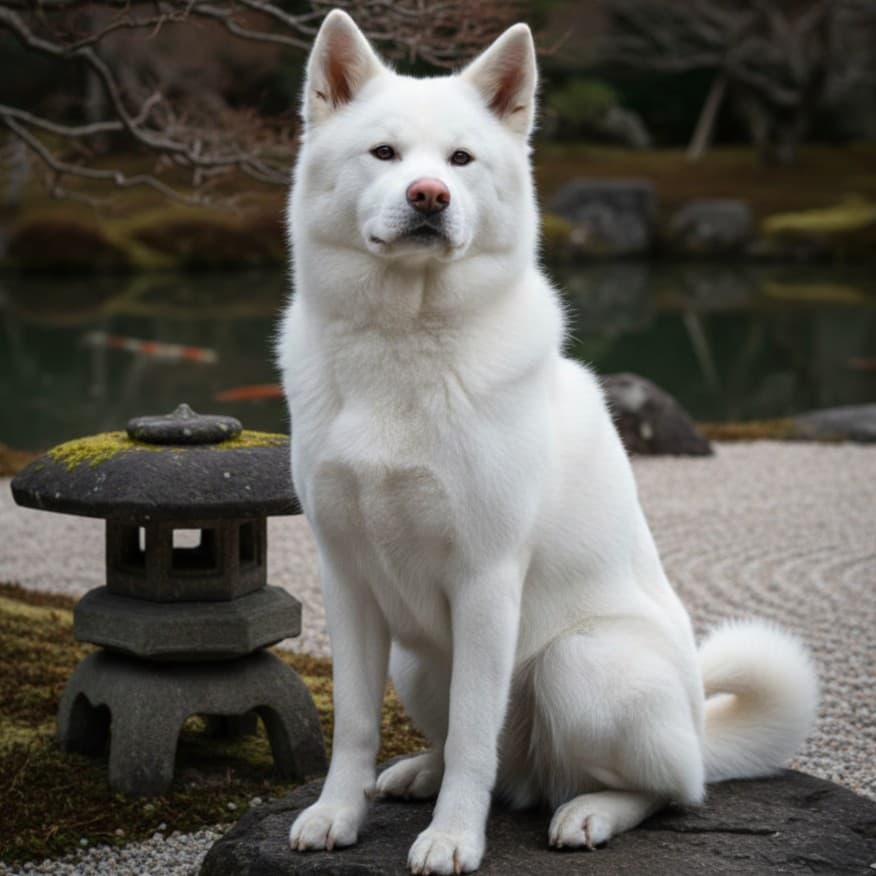
Shiba Inu
The Shiba Inu is Japan's most popular companion dog and one of six native Japanese breeds. Known for their fox-like appearance and independent, confident personality, they are often described as cat-like. They are alert, agile, and adaptable.
Key Stats
Weight
17-23 lbs
Height
13.5-16.5"
Lifespan
13-16 yrs
Energy
4/5
Is This Breed Right For You?
Origin & History
Shiba Inus are the smallest and oldest of Japan's native breeds, originally used for hunting small game in mountainous regions. The breed nearly became extinct during World War II but was revived through breeding programs. The AKC recognized them in 1992. They have become one of the most popular breeds worldwide.
Traits & Characteristics
Individual dogs may vary from breed-typical traits
Family & Social
Personality
Physical Traits
Adaptability
Health & Wellness
Key health information for Shiba Inu owners
Health Screening
- Hip & Elbow Evaluation
- Cardiac Exam
- Eye Certification
Exercise Needs
- 60+ minutes daily
- Mental stimulation important
- High energy breed
Watch For
- Luxating Patella
- Hip Dysplasia
- Allergies (Atopic Dermatitis)
- Cataracts
Care Guide
Everything you need to know about caring for a Shiba Inu
Grooming
weekly
Exercise
60+ min/day
Training
Moderate
Health
Generally Good
Training Your Shiba Inu
Training Approach
Use positive reinforcement with high-value rewards. Keep training short and interesting. Accept their independent nature. Never use harsh methods as they will shut down. Make training seem like their idea.
Training Tips
- Be patient and consistent
- Use high-value rewards
- Keep sessions short and fun
- Accept some independence
- Never use harsh methods
Common Challenges
- Very independent and stubborn
- May choose not to comply
- Strong prey drive
- Not reliably off-leash
Is a Shiba Inu Right For You?
Great Match If...
- You're active and outdoorsy
- You want a loyal companion
Think Twice If...
- You can't handle lots of fur
- You want a low-energy dog
Frequently Asked Questions
Shiba Inus are generally not recommended for first-time owners. Their independent, stubborn nature makes them challenging to train. They require experienced handling and consistent boundaries.