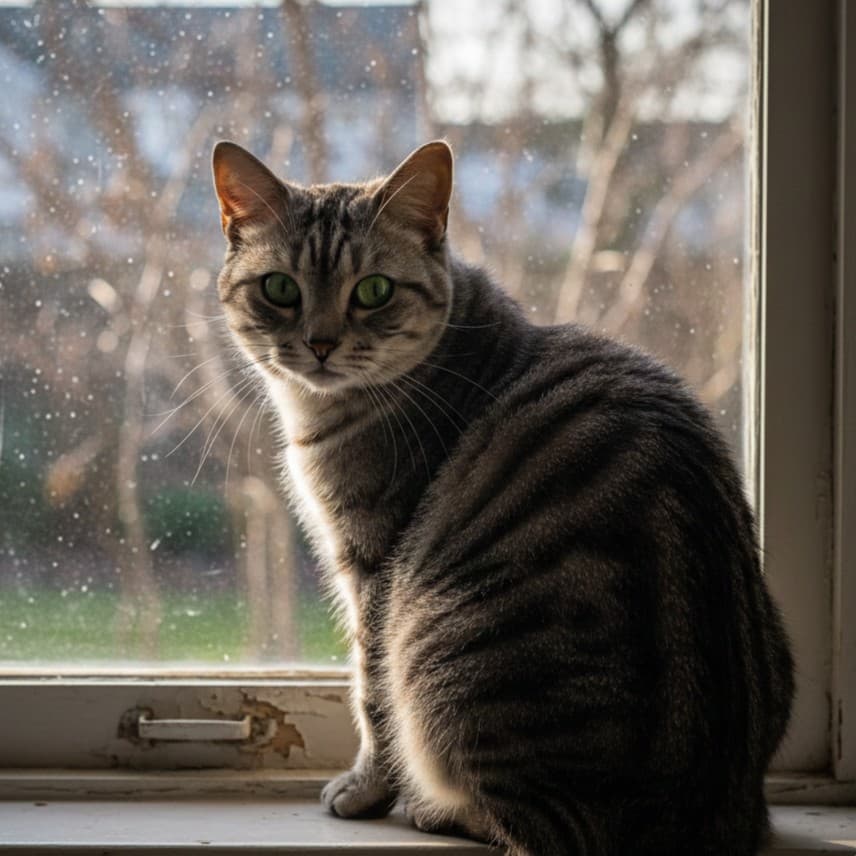
Exotic Shorthair
The Exotic Shorthair is often called 'the lazy man's Persian' because it has the same sweet, flat-faced appearance and gentle temperament as the Persian but with an easy-care short coat. Developed in the 1960s by crossing Persians with American Shorthairs, Exotics offer the best of both worlds: the calm, affectionate Persian personality in a lower-maintenance package. They are one of the most popular cat breeds in the United States, consistently ranking among the top five in CFA registrations. With their round faces, large expressive eyes, and plush teddy bear coats, Exotic Shorthairs capture hearts effortlessly. They are ideal companions for families, seniors, apartment dwellers, and first-time cat owners who want a loving, easygoing cat that does not demand constant grooming attention.
Key Stats
Weight
7-15 lbs
Height
9-12"
Lifespan
12-15 yrs
Energy
2/5
Is This Breed Right For You?
Origin & History
The Exotic Shorthair originated in the United States during the late 1950s and 1960s when American Shorthair breeders secretly crossed their cats with Persians to improve body type and introduce the striking silver coat color. When these hybrids began appearing in shows with distinctly Persian features, the crosses were recognized as something new entirely. Rather than allow them to compete as American Shorthairs, judge Jane Martinke proposed a separate breed called the 'Exotic Shorthair' in 1966.
CFA granted the breed championship status in 1967. In the early years, Russian Blues and Burmese were also used in the breeding program to introduce the shorthair gene more efficiently. However, by the 1980s, most registries restricted outcrosses to Persians only. This ensured the Exotic maintained the Persian type while keeping the short coat.
The breed quickly gained popularity because it offered everything cat lovers adored about the Persian without the intensive daily grooming requirement. Today, only Persian and Exotic Shorthair crosses are permitted, and the breed has become incredibly popular, consistently ranking among CFA's top registered breeds. The Exotic Shorthair has proven that sometimes the best innovations come from happy accidents in the breeding world.
Traits & Characteristics
Individual cats may vary from breed-typical traits
Family & Social
Personality
Cattitude
Adaptability
Health & Wellness
Key health information for Exotic Shorthair owners
Health Screening
- Hip & Elbow Evaluation
- Cardiac Exam
- Eye Certification
Exercise Needs
- 15+ minutes daily
- Mental stimulation important
- Moderate activity
Watch For
- Brachycephalic Airway Syndrome
- Hypertrophic Cardiomyopathy (HCM)
- Progressive Retinal Atrophy (PRA)
- Dental Disease
Care Guide
Everything you need to know about caring for a Exotic Shorthair
Grooming
2x weekly
Exercise
15+ min/day
Training
Moderate
Health
Monitor Closely
Training Your Exotic Shorthair
Training Approach
Use gentle, positive reinforcement with treats and soft praise. Avoid loud noises or forceful methods. Keep training sessions short and low-key.
Training Tips
- Food rewards are highly effective
- They respond well to routine and consistency
- Interactive puzzle toys engage their minds
- Start grooming routines early as kittens
- Patience is key - they move at their own pace
Common Challenges
- May lack motivation for active training
- Prefer observing to participating
- Can be stubborn when not interested
Is a Exotic Shorthair Right For You?
Great Match If...
- You have children or a family
- You want a loyal companion
Think Twice If...
- Budget is tight for vet bills
Frequently Asked Questions
Exotic Shorthairs are called the 'lazy man's Persian' because they have all the desirable Persian traits, including the sweet flat face, large round eyes, calm temperament, and cobby body, but with a short, plush coat that requires far less grooming. While Persians need daily brushing to prevent painful mats and tangles in their long flowing coats, Exotics only need brushing two to three times weekly, saving owners significant time each day.
This substantial grooming reduction makes them perfect for people who love the Persian look but want a lower-maintenance cat that still offers the same devoted, gentle companionship. The nickname originated in the 1960s when the breed was first developed by crossing Persians with American Shorthairs specifically to create this easier-care alternative.
However, prospective owners should note that Exotic Shorthairs are not completely maintenance-free. They still require daily facial cleaning due to their flat face structure, which causes tear staining and moisture buildup in facial folds. They also shed more than typical shorthair breeds because of their dense, plush double coat. Still, compared to the Persian's extensive daily grooming demands, Exotics offer a significantly more practical ownership experience.