Persian
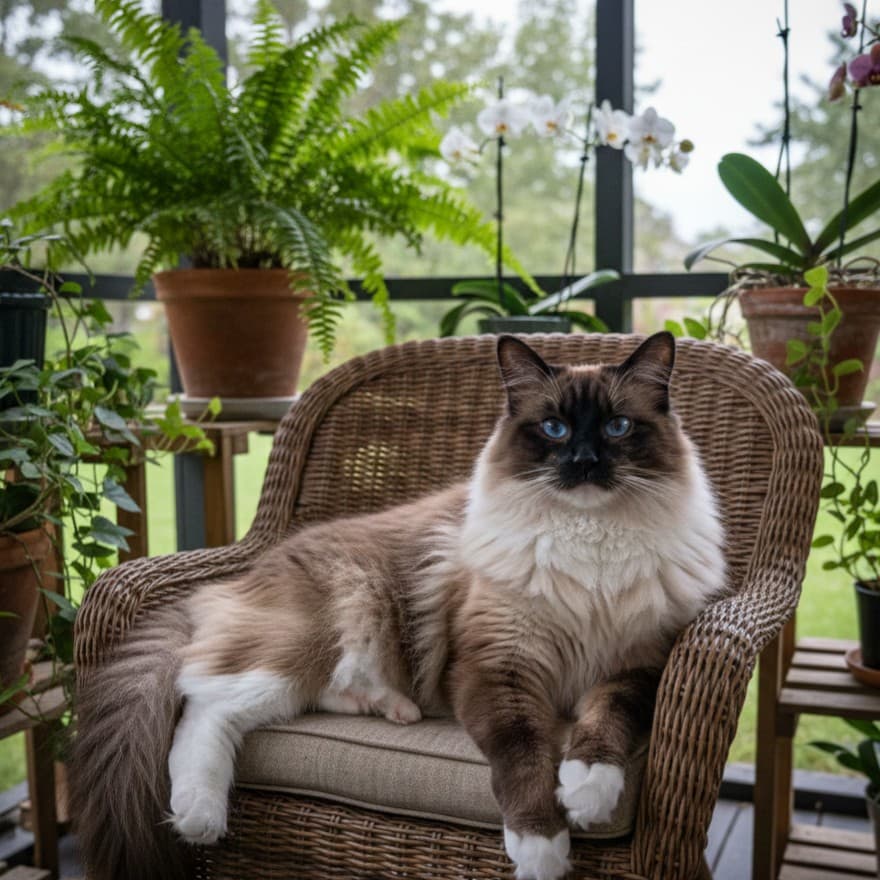
The Persian is one of the world's oldest and most recognizable cat breeds, beloved for their luxurious flowing coats, sweet facial expressions, and gentle, docile personalities. Often called 'furniture with fur' due to their preference for lounging, Persians are calm, affectionate companions who prefer quiet homes and devoted owners willing to maintain their high-maintenance grooming needs. With their round faces, large expressive eyes, and magnificent coats, Persians have been symbols of elegance and refinement for centuries. They remain one of the most popular pedigreed breeds worldwide, prized by owners who appreciate their serene demeanor and stunning beauty despite the demanding daily grooming commitment.
Key Stats
Weight
7-14 lbs
Height
9-15"
Lifespan
12-17 yrs
Energy
1/5
Is This Breed Right For You?
Origin & History
Persians are among the oldest cat breeds, with origins traced to ancient Persia (modern Iran) and possibly Turkey. They were introduced to Europe in the 1600s by Italian traders and quickly became prized by royalty and aristocracy across the continent. Their exotic appearance and gentle temperament captivated European society, making them among the first cats bred specifically for companionship and beauty.
Queen Victoria owned two blue Persians, which significantly popularized the breed in Britain and helped establish them as a symbol of refined taste. CFA recognized them among the first breeds in 1906, and they have remained consistently popular ever since. Through selective breeding over the past century, the modern Persian developed an increasingly flat face, creating the distinctive brachycephalic profile seen in show cats today.
However, traditional 'doll-face' Persians with longer noses still exist and are preferred by some breeders and owners who prioritize health over extreme facial features. Both types share the same sweet temperament, luxurious coat, and devoted personality that has made the Persian one of the world's most beloved cat breeds for over four centuries.
Traits & Characteristics
Individual cats may vary from breed-typical traits
Family & Social
Personality
Cattitude
Adaptability
Health & Wellness
Key health information for Persian owners
Health Screening
- Hip & Elbow Evaluation
- Cardiac Exam
- Eye Certification
Exercise Needs
- 10+ minutes daily
- Mental stimulation important
- Moderate activity
Watch For
- Polycystic Kidney Disease (PKD)
- Brachycephalic Airway Syndrome
- Hypertrophic Cardiomyopathy (HCM)
- Progressive Retinal Atrophy (PRA)
Care Guide
Everything you need to know about caring for a Persian
Grooming
daily
Exercise
10+ min/day
Training
Moderate
Health
Monitor Closely
Training Your Persian
Training Approach
Use positive reinforcement with treats and soft praise. Keep training sessions very short and stress-free. Never force participation - Persians respond best to calm, patient guidance.
Training Tips
- Can learn to come when called
- Respond well to consistent routines
- Food motivation is effective
- Prefer calm, quiet training sessions
- May learn tricks at their own pace
Common Challenges
- Generally uninterested in learning tricks
- Prefer lounging to active participation
- Can be stubborn if not in the mood
- Low motivation for training activities
Is a Persian Right For You?
Great Match If...
- You have children or a family
- You want a loyal companion
Think Twice If...
- You can't handle lots of fur
- Budget is tight for vet bills
Frequently Asked Questions
Persians require daily grooming without exception, making them one of the highest-maintenance cat breeds in the world. Their long, thick double coat mats extremely easily, sometimes within a single day of missed brushing. You will need to brush for 15-20 minutes daily using a wide-toothed comb and slicker brush, paying special attention to the underarms, belly, behind the ears, and around the leg joints where tangles form fastest.
Additionally, their flat brachycephalic faces require daily cleaning to prevent tear staining and skin fold infections using a damp cloth or pet-safe wipes around the eyes and nose creases. Monthly bathing with a cat-safe shampoo helps maintain coat health, manage oil buildup, and prevent the greasy texture that develops without regular washing.
Many Persian owners establish a grooming station with dedicated tools including a steel wide-toothed comb, slicker brush, mat splitter, and grooming spray. Starting this routine from kittenhood is critical, as an adult Persian that resists grooming can develop painful mats requiring professional removal or even veterinary sedation to address safely.