Tonkinese
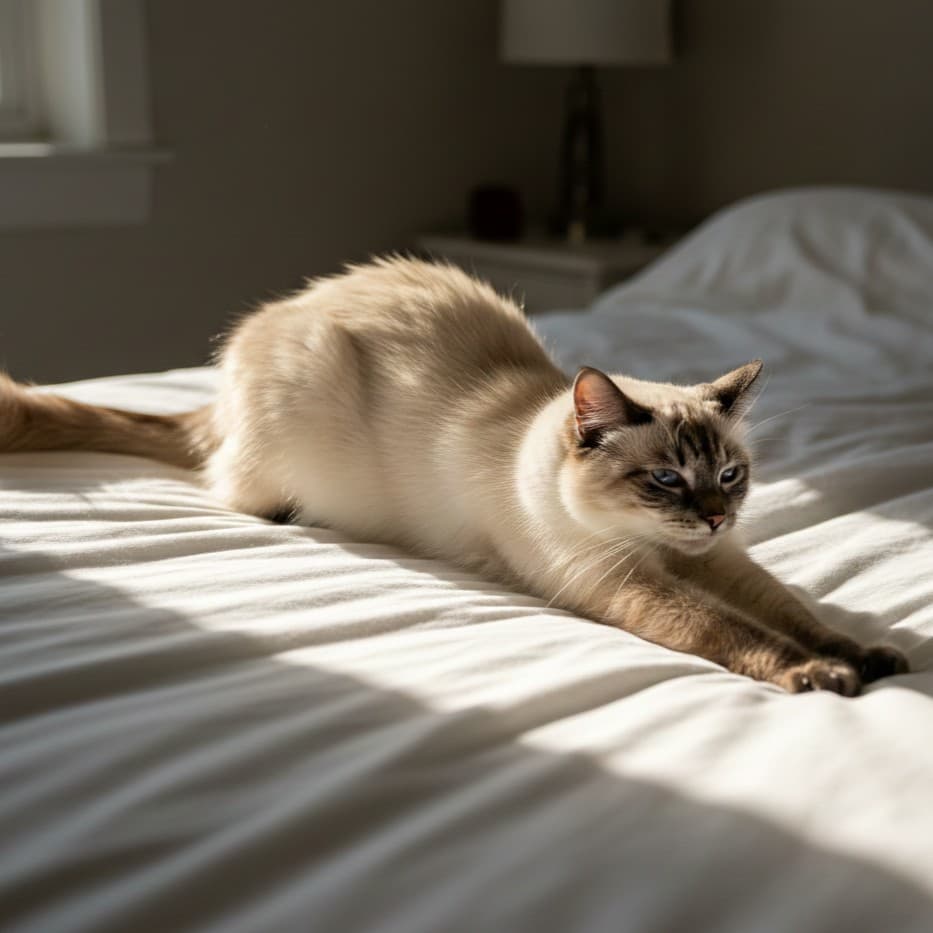
The Tonkinese is a medium-sized, muscular cat that combines the best traits of its parent breeds, the Siamese and Burmese. Known for their unique aqua-colored eyes in mink patterns, silky coat, and affectionate personality, Tonkinese are often called the 'best of both worlds.' They have the intelligence and playfulness of the Siamese but with a less demanding voice, and the loving, people-oriented nature of the Burmese. These charismatic cats are true companions who want to be involved in every aspect of their owner's life. Their dog-like devotion, combined with their playful spirit and moderate vocalization, makes them ideal for families seeking an interactive, loving cat without the extreme traits of either parent breed.
Key Stats
Weight
6-12 lbs
Height
7-10"
Lifespan
12-16 yrs
Energy
4/5
Is This Breed Right For You?
Origin & History
The Tonkinese breed was developed in the 1960s and 1970s in North America through deliberate crossings of Siamese and Burmese cats. The breed's development is credited to Margaret Conroy of Canada and Jane Barletta of the United States, who worked independently toward the same goal of creating a cat that blended the best qualities of both breeds.
Interestingly, the foundation cat of the Burmese breed, Wong Mau, was likely a Tonkinese herself, as she displayed the intermediate characteristics that define the breed today. The breed was first called 'Golden Siamese' before being renamed Tonkinese, a reference to the Tonkin region of Vietnam, suggesting a geographic point between Siam and Burma.
TICA recognized the breed in 1979, acknowledging the Tonkinese as a distinct breed with its own standard. CFA was slower to accept them, granting full championship status in 2001 after extensive evaluation. Today, Tonkinese have a dedicated following of enthusiasts who appreciate their balanced temperament and stunning appearance.
Traits & Characteristics
Individual cats may vary from breed-typical traits
Family & Social
Personality
Cattitude
Adaptability
Health & Wellness
Key health information for Tonkinese owners
Health Screening
- Hip & Elbow Evaluation
- Cardiac Exam
- Eye Certification
Exercise Needs
- 30+ minutes daily
- Mental stimulation important
- High energy breed
Watch For
- Hypertrophic Cardiomyopathy (HCM)
- Dental Disease
- Progressive Retinal Atrophy (PRA)
- Amyloidosis
Care Guide
Everything you need to know about caring for a Tonkinese
Grooming
weekly
Exercise
30+ min/day
Training
Very Easy
Health
Generally Good
Training Your Tonkinese
Training Approach
Use positive reinforcement with treats, play, and verbal praise. Keep sessions short, varied, and engaging. Tonkinese respond well to clicker training and interactive games.
Training Tips
- Learn tricks quickly due to high intelligence
- Excel at clicker training
- Can be leash trained for outdoor adventures
- Enjoy fetch and interactive puzzle toys
- Respond well to verbal cues and commands
Common Challenges
- May become mischievous if not mentally stimulated
- Can be persistent when they want something
- Need variety to maintain interest
- May train their humans instead of vice versa
Is a Tonkinese Right For You?
Great Match If...
- You have children or a family
- You want an easy-to-train cat
- You're active and outdoorsy
- You want a loyal companion
Think Twice If...
- You want a low-energy cat
- You're away from home often
Frequently Asked Questions
Tonkinese make excellent family pets for households that can provide daily interaction and companionship. They are affectionate, patient with children, and enjoy being part of an active household where they can participate in family activities. Their playful nature makes them wonderful companions for kids who understand gentle handling and enjoy interactive games like fetch, which Tonkinese learn readily.
They get along well with other cats and cat-friendly dogs, often initiating play with other pets in the household. Their moderate vocalization is less demanding than their Siamese parent breed, making them suitable for families who want an interactive but not overly noisy cat. They score 5 out of 5 for both family affection and child compatibility.
The key consideration for families is their intense need for companionship. Tonkinese do not do well in households where everyone is away all day. If your family has a busy schedule, getting two Tonkinese is highly recommended, as they keep each other entertained and emotionally fulfilled during the hours between family interactions.