Somali
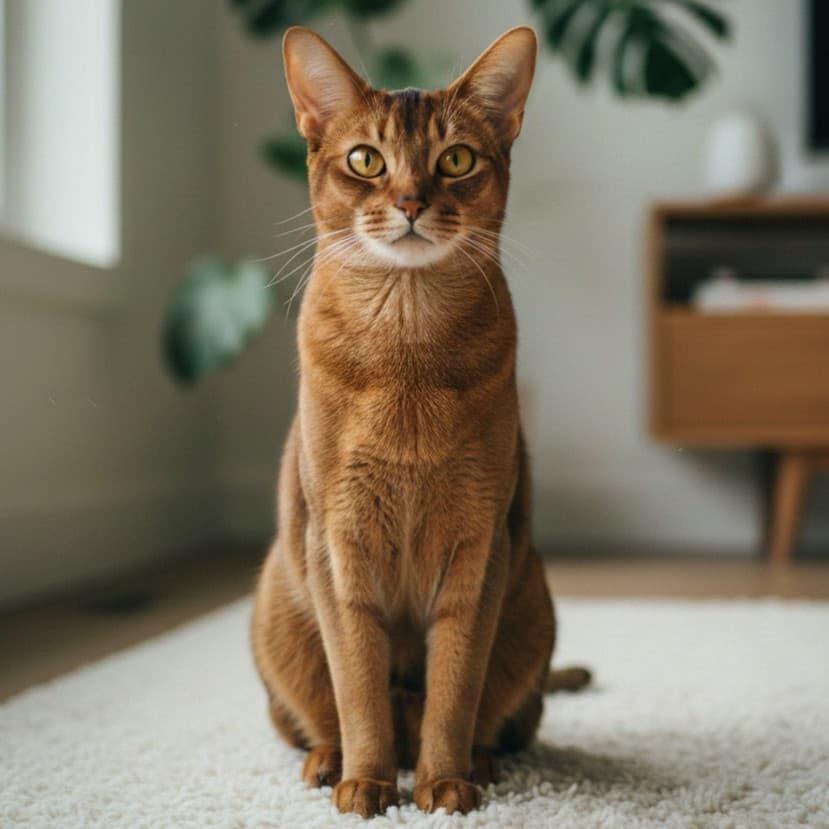
The Somali is the longhaired version of the Abyssinian, often called the 'fox cat' due to its bushy tail and warm coloring. These strikingly beautiful cats combine the Abyssinian's intelligence and athleticism with a luxurious semi-long coat featuring the distinctive ticked pattern. Active, playful, and endlessly curious, Somalis maintain their kitten-like energy throughout their lives. With their alert expression, large tufted ears, and plumed fox-brush tail, Somalis are one of the most visually striking cat breeds. They are natural entertainers who form deep bonds with their families and thrive in households that appreciate their spirited, engaging personalities.
Key Stats
Weight
6-12 lbs
Height
7-10"
Lifespan
12-16 yrs
Energy
5/5
Is This Breed Right For You?
Origin & History
Somalis appeared spontaneously in Abyssinian litters in the 1960s, likely from a recessive longhair gene introduced decades earlier through outcrossing. Initially, longhaired kittens born to Abyssinian parents were quietly placed as pets, as they were considered undesirable deviations from the breed standard. However, a few observant breeders recognized the beauty and potential of these fluffy variants.
American breeder Evelyn Mague is widely credited with championing the longhaired Abyssinian as a distinct breed. She named them 'Somali' because Somalia borders Ethiopia, formerly known as Abyssinia, creating a geographic connection to their parent breed. In the United Kingdom, breeders independently worked with the same longhaired variants. The collaborative efforts on both sides of the Atlantic led to rapid progress in establishing breed standards.
CFA granted the Somali championship status in 1979, the same year TICA recognized them. The breed quickly gained admirers worldwide for their striking fox-like appearance and lively personalities. Today, Somalis are established in cat registries around the globe, though they remain less common than their Abyssinian relatives.
Traits & Characteristics
Individual cats may vary from breed-typical traits
Family & Social
Personality
Cattitude
Adaptability
Health & Wellness
Key health information for Somali owners
Health Screening
- Hip & Elbow Evaluation
- Cardiac Exam
- Eye Certification
Exercise Needs
- 45+ minutes daily
- Mental stimulation important
- High energy breed
Watch For
- Pyruvate Kinase Deficiency (PK Deficiency)
- Progressive Retinal Atrophy (PRA)
- Amyloidosis
- Gingivitis/Stomatitis
Care Guide
Everything you need to know about caring for a Somali
Grooming
2x weekly
Exercise
45+ min/day
Training
Very Easy
Health
Generally Good
Training Your Somali
Training Approach
Use positive reinforcement with treats and interactive play as rewards. Keep sessions short, engaging, and varied. Clicker training is highly effective with this breed.
Training Tips
- Start training early while curious and receptive
- Use interactive play and treats as rewards
- Teach fetch - many Somalis love it naturally
- Consider leash training for supervised outdoor time
- Provide puzzle feeders for mental stimulation
- Rotate toys regularly to maintain interest
Common Challenges
- May become bored with repetitive training
- High energy can make sustained focus difficult
- Easily distracted by interesting surroundings
- Their mischievous nature may lead to creative escapes
Is a Somali Right For You?
Great Match If...
- You have children or a family
- You want an easy-to-train cat
- You're active and outdoorsy
- You want a loyal companion
Think Twice If...
- You want a low-energy cat
- You're away from home often
Frequently Asked Questions
Somalis make excellent family pets for active households that can provide the substantial physical and mental stimulation these athletic cats require daily. They are exceptionally intelligent, endlessly playful, and form strong devoted bonds with their entire family. Their energetic, curious nature makes them entertaining companions who actively participate in household activities and keep everyone amused with their acrobatic antics and clever problem-solving.
However, prospective owners should understand that Somalis are definitively not lap cats. They prefer to be near you rather than on you, showing affection through active engagement, playful interaction, and constant companionship rather than passive cuddling. They need significant daily exercise and interactive play sessions of 30-45 minutes to channel their abundant energy productively.
They do well with children who understand respectful cat interaction and enjoy engaging in vigorous interactive play sessions with wand toys, fetch, and chase games. They thrive with companionship and genuinely suffer when left alone for extended periods, so families who are home frequently or have multiple pets provide ideal environments for these social, energetic cats that need consistent engagement throughout the day.